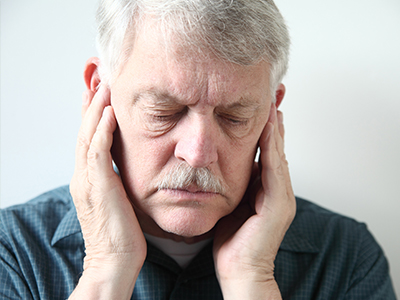
Temporomandibular joint disorders (commonly called TMJ disorders or TMD) affect the joints and muscles that control the jaw. These conditions are a frequent source of chronic facial pain and can interfere with everyday activities such as chewing, speaking, and sleeping. National estimates indicate millions of people experience some form of TMJ dysfunction, and while severity varies widely, the cumulative effect on quality of life can be substantial when symptoms are left unaddressed.
TMJ disorders are not a single diagnosis but a collection of problems with different causes and pathways. For some people, symptoms appear suddenly after an injury; for others they develop gradually through habits like teeth grinding or long-term joint stress. That variability means an effective approach emphasizes careful evaluation, tailored management, and regular reassessment to track progress and adapt treatment as needed.
A practical, patient-centered strategy focuses on relieving pain, restoring comfortable jaw function, and minimizing the risk of recurrence. With experienced dental care and collaborative therapies available, many people achieve meaningful improvement without invasive procedures. Park Dental Wellness approaches TMJ care with a goal of balancing symptom relief and long-term function, helping patients return to normal daily routines.
Each person has two temporomandibular joints—one on the left and one on the right—that connect the lower jaw (mandible) to the skull (temporal bone). Those joints are paired with muscles, ligaments, and a small fibrocartilaginous disc that cushions and stabilizes movement. Together these structures allow the jaw to open and close, move forward and backward, and glide side to side—motions needed for chewing, speaking, and expressive facial movements.
The TMJ is mechanically complex: the joint operates partly like a hinge and partly like a sliding joint. The disc lies between rounded condyles of the mandible and the concave surfaces of the temporal bone, absorbing shock as the jaw moves. Muscles of mastication—such as the masseter, temporalis, and pterygoid muscles—coordinate these movements; when those muscles are tense or imbalanced, the joint and disc can be placed under abnormal stress.
Because multiple components must work in concert, small changes in one area—muscle tension, bite alignment, or joint inflammation—can affect overall function. Understanding this interplay helps explain why TMJ problems often require a multi-pronged evaluation and why treatment that targets a single symptom without addressing underlying contributors may yield only temporary relief.
TMJ disorders arise from a variety of causes, often overlapping. One of the most common contributors is bruxism—habitual teeth grinding and clenching—that increases muscle strain and joint loading over time. Direct trauma to the jaw or head can displace the disc or alter joint mechanics, and repetitive overuse from activities like prolonged gum chewing or wide yawning may also trigger symptoms.
Degenerative changes such as osteoarthritis, and inflammatory conditions like rheumatoid arthritis, can affect the joint surfaces and lead to chronic pain and dysfunction. Dental factors—malocclusion or missing teeth—may alter bite forces and contribute to imbalance, although they are rarely the sole cause. Lifestyle factors including chronic stress, poor posture, and sleep disturbances can amplify muscle tension and increase vulnerability to TMJ symptoms.
Risk varies by individual. Women are more frequently affected in clinical settings, and timing can coincide with life stages or activities that increase jaw strain. Because multiple risk factors can interact, a thorough history and physical exam are essential to identify modifiable contributors and prioritize conservative steps that reduce ongoing stress to the joint.
TMJ disorders can present with a broad spectrum of symptoms that extend beyond jaw pain. Many patients report aching around the ear, sounds such as clicking or grating during jaw movement, and intermittent locking or limited ability to open the mouth fully. These mechanical symptoms often coexist with muscle soreness and localized tenderness at the temples or jawline.
Headaches—especially in the temples—and neck or upper back discomfort are commonly reported and can be mistakenly attributed to other causes. Some people experience ear-related complaints like a feeling of fullness, brief episodes of hearing changes, or ringing (tinnitus), even when no primary ear disease is present. Symptoms may fluctuate with stress, changes in sleep, or episodes of increased jaw use.
The course of TMJ disorders varies: for some individuals symptoms are short-lived and resolve with conservative care, while others experience longer-term challenges that require staged interventions. Because symptoms can overlap with dental, neurologic, and musculoskeletal conditions, coordinated evaluation helps rule out other causes and clarifies the most appropriate pathway for treatment.
Evaluation begins with a focused dental and medical history and a hands-on examination of jaw movement, joint sounds, muscle tenderness, and bite relationships. Clinicians assess how symptoms affect daily function and may use targeted imaging—such as panoramic radiographs or advanced scans—when structural changes or other red flags are suspected. Diagnostic testing is used selectively to supplement, not replace, a careful clinical assessment.
Conservative measures are the cornerstone of early TMJ management. Self-care strategies—short-term use of soft foods, avoiding extreme jaw movements, applying ice or moist heat, and adopting stress-reduction practices—often reduce acute discomfort. Gentle stretching and guided jaw exercises, performed under professional instruction, can improve mobility and muscle control over time.
When conservative steps do not provide adequate relief, dental appliances such as stabilization splints or night guards can reduce clenching forces and protect the joint while helping muscles relax. Physical therapy modalities, targeted muscle therapies, and behavioral approaches for bruxism management may be combined as part of a comprehensive plan. In selected cases, clinicians may recommend injections or other minimally invasive procedures to address localized inflammation or joint dysfunction.
Surgical options are reserved for a small subset of patients with persistent, structural joint problems that do not respond to comprehensive nonsurgical care. Throughout all stages, the emphasis is on individualized treatment—balancing symptom relief, functional improvement, and minimizing unnecessary interventions. Ongoing communication between patient and provider ensures care is adjusted as progress is made.
Summary: TMJ disorders are a treatable group of conditions that affect the jaw joint and surrounding muscles. With careful evaluation and a stepwise, conservative-first approach, many people regain comfortable function and reduce pain. If you’d like to discuss TMJ concerns or explore personalized treatment options, please contact us for more information.


Temporomandibular joint (TMJ) disorders are a group of conditions that affect the joints, muscles and connective tissues that control jaw movement. These disorders can cause pain, mechanical symptoms and functional limitations that interfere with chewing, speaking and sleeping. Because the TMJ works in concert with muscles, teeth and neural pathways, dysfunction can produce symptoms that extend beyond the jaw itself.
Early recognition matters because timely evaluation and targeted care often prevent symptom progression and reduce the need for more invasive interventions. A careful, individualized assessment helps identify reversible contributors and creates a roadmap for restoring comfortable jaw function. In many cases conservative management leads to meaningful improvement in daily activities and overall quality of life.
Common symptoms include jaw pain or soreness, clicking or popping sounds during movement, and episodes of locking or limited opening. Patients often report tenderness in the temples or jawline, pain that worsens with chewing, and increased symptoms during periods of stress or poor sleep. Mechanical complaints such as grating or intermittent catching may signal disc displacement or altered joint mechanics.
TMJ disorders can also be associated with headaches centered at the temples, neck or upper back stiffness, and ear-related sensations like fullness or intermittent ringing. Because these symptoms overlap with dental, neurologic and otologic conditions, a focused evaluation is important to rule out other causes. Persistent, worsening or function-limiting symptoms should prompt professional assessment.
TMJ disorders have multiple potential causes that often interact. Habitual teeth grinding and clenching (bruxism) increase muscle tension and joint loading, while direct trauma or repetitive overload can alter disc position or joint mechanics. Degenerative joint disease, inflammatory arthritis and dental factors such as missing teeth or malocclusion may contribute to abnormal forces across the joint.
Risk factors include chronic stress, poor posture, sleep disturbances and activities that repeatedly strain the jaw, like prolonged gum chewing. Clinically, women are more often affected, though the reasons are multifactorial and not fully understood. A thorough medical and dental history helps identify individual risks that can be modified as part of treatment planning.
Diagnosis begins with a detailed history and a hands-on examination of jaw movement, joint sounds, and muscle tenderness, along with an assessment of bite relationships and functional limitations. Clinicians observe how symptoms affect daily tasks and use provocative tests and palpation to differentiate muscular versus joint sources of pain. This clinical foundation guides decision-making and helps determine whether additional testing is necessary.
Imaging such as panoramic radiographs, cone beam CT or MRI is used selectively when structural changes, a history of trauma, or persistent mechanical symptoms suggest underlying joint pathology. When appropriate, we coordinate care with physical therapists or medical specialists to ensure a comprehensive, multidisciplinary approach. Treatment recommendations are individualized and emphasize conservative, staged management before considering invasive procedures.
Conservative care is the first-line approach and focuses on symptom relief, reducing joint stress and restoring balanced muscle function. Initial strategies commonly include a soft-food diet, avoiding wide yawning or hard foods, short-term application of ice or moist heat, and guided jaw-stretching exercises to improve mobility. Stress-reduction techniques and sleep hygiene can also reduce episodes of clenching or bruxism that worsen symptoms.
When self-care is insufficient, we often incorporate physical therapy modalities, targeted muscle therapies and behavioral interventions for bruxism management. Custom-fit stabilization splints or night guards may be prescribed to protect teeth and reduce clenching forces while muscles relax. These conservative steps are frequently effective and are monitored closely to adjust the plan as the patient progresses.
Dental appliances such as stabilization splints and night guards work by redistributing occlusal forces and reducing the intensity of clenching during sleep. By providing a stable, even surface they can decrease abnormal loading on the joint and allow hyperactive masticatory muscles to relax. Properly fitted appliances also protect tooth surfaces from wear associated with bruxism.
Appliances are not a universal cure and are most effective when combined with other therapies that address contributing factors like stress, posture and sleep quality. Regular follow-up is important to confirm fit and function, adjust the appliance as needed, and coordinate complementary treatments. The goal is to reduce pain, improve function and support long-term joint health.
Advanced imaging or referral becomes appropriate when conservative management fails, when mechanical symptoms such as persistent locking or marked limitation in opening occur, or when there is a history of significant trauma to the jaw. Panoramic radiographs, cone beam CT and MRI provide different information about bone structure, joint spaces and soft tissues, and are selected based on the specific diagnostic question. Imaging helps clarify structural changes that may influence treatment choices.
Referral to specialists—such as oral and maxillofacial surgeons, rheumatologists, pain medicine physicians or physical therapists—is considered for complex, refractory or systemic cases. Collaborative care ensures that inflammatory, degenerative or neurologic contributors are evaluated and treated in concert with dental management. The emphasis remains on a staged, evidence-based approach that prioritizes conservative care before invasive options.
Yes. TMJ dysfunction commonly refers pain to nearby regions, producing headaches—often felt at the temples—along with neck, upper back and facial muscle discomfort. Muscles of mastication and surrounding soft tissues share nerve pathways that can transmit pain signals beyond the joint itself. Ear-related sensations such as fullness, pressure or transient ringing can accompany TMJ problems even when the ear structures themselves are normal.
Because these symptoms overlap with primary headache disorders, cervical spine issues and ear conditions, a careful differential diagnosis is important. Targeted treatment of the TMJ and contributing muscle dysfunction frequently reduces referred symptoms, but coordinated evaluation with other specialists may be indicated when primary ear or neurologic disease is suspected. Addressing posture, sleep and stress often helps alleviate secondary neck and head pain.
Lifestyle adjustments are a foundational part of TMJ management and can significantly reduce symptom severity for many patients. Practical steps include adopting a soft or easily chewed diet during flare-ups, avoiding gum and hard foods, practicing jaw relaxation techniques, improving sleep habits and addressing stress through behavioral strategies. Correcting forward head posture and using ergonomic supports can also decrease abnormal load on jaw muscles.
These measures work best when combined with professional therapies such as guided exercises, splints or physical therapy and are reinforced through regular follow-up. Long-term habit modification helps prevent recurrence and supports sustained functional improvement. Patients who actively engage in self-care tend to experience more predictable, durable outcomes.
Minimally invasive injections—such as corticosteroids, hyaluronic acid or targeted neuromodulators—may be considered for localized inflammation or muscle hyperactivity when conservative measures have not provided adequate relief. These interventions are selected selectively and are used as part of a broader treatment plan that includes therapy for contributing factors. The decision to proceed with injections follows careful evaluation and discussion of expected benefits and limitations.
Surgical intervention is reserved for a small group of patients with persistent, structural joint problems that do not respond to comprehensive nonsurgical care. When structural pathology is suspected, referral for specialist evaluation and imaging helps determine the most appropriate surgical or restorative pathway. Throughout all stages of care the focus is on individualized planning that balances symptom relief, functional restoration and minimizing unnecessary procedures; please contact Park Dental Wellness to discuss whether advanced interventions are appropriate for your situation.
At Park Dental Wellness, reaching us is simple. Whether you have questions about treatments or are ready to schedule your next visit, our friendly team is here to guide you every step of the way. Call, email, or use our convenient online form—we’ll make sure your experience is easy, comfortable, and tailored to your needs.
Start your journey to a healthier, more confident smile today!