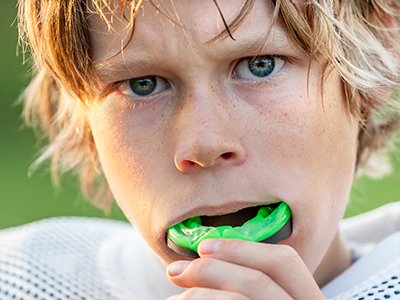
Sports-related impacts can cause more than a chipped tooth. When an athlete takes a blow to the face, the force can travel through the jaw to the head, damaging teeth, soft tissues, and even the temporomandibular joint. Beyond immediate pain and lost playing time, dental trauma may require extensive restorative treatment and can have lasting consequences for speech, eating, and self-confidence. For parents and adult athletes alike, planning ahead with appropriate protection is one of the simplest and most effective ways to reduce that risk.
Wearing a mouthguard reduces the chance of fractured teeth, displaced teeth, and lacerations to the lips, cheeks, and tongue. It also helps spread and absorb impact forces, lowering the likelihood of jaw fractures and severe concussions caused by direct facial trauma. The protection is particularly important in contact and collision sports, but athletes in many non-contact activities—like skateboarding, gymnastics, or cycling—can benefit from added protection when falls are possible.
Encouraging consistent mouthguard use is a team effort that involves coaches, parents, and dental professionals. The practice’s role is to inform patients about realistic protection options and to fit appliances that athletes will actually wear. Comfort and performance matter: the best protective gear is the one that stays in place, allows normal breathing and speaking, and becomes a routine part of athletic preparation.
There are three common categories of mouthguards available to athletes: pre-formed stock guards, boil-and-bite models, and custom-fitted guards made at a dental office. Stock guards are inexpensive and ready to use straight from the package, but they tend to be bulky and often do not fit well. Boil-and-bite options offer a better fit after heating and molding, providing improved retention over stock guards while still remaining a mass-market product.
Custom-fitted mouthguards are crafted from impressions or digital scans taken by a dental professional. These guards are tailored to the athlete’s bite, tooth alignment, and any appliances like braces. That tailored approach usually delivers superior comfort, better shock absorption, and a more secure fit—especially important for athletes who require precise jaw alignment for breathing, speaking, or performance.
Some athletes have special needs, including orthodontic appliances, crowns, or missing teeth; these conditions change the recommended type of guard. Patients with braces, for example, often benefit from guards designed with extra space and softer materials to avoid damaging wires while still protecting teeth and soft tissue. Discussing the specifics of an athlete’s dental situation with a dentist helps ensure the chosen guard offers appropriate coverage and function.
Custom mouthguards are created to mirror the individual contours of an athlete’s mouth, which makes them more comfortable to wear during play. Because they sit snugly over the teeth and gums, they require less conscious effort to keep in place—athletes can focus on performance instead of adjusting a bulky appliance. The precision of a custom fit also minimizes interference with breathing and communication, two factors that increase the likelihood the guard will be used reliably.
From a protection standpoint, custom guards often use multiple layers of high-grade thermoplastic materials engineered to absorb and disperse impact energy. That controlled deformation reduces the force transferred to the teeth, roots, and jawbone. For high school, collegiate, and adult athletes participating in collision sports, this improved shock management can make a measurable difference in both short- and long-term outcomes.
Durability is another practical advantage. A professionally made mouthguard can withstand regular use longer than most over-the-counter alternatives and can be remade or adjusted as needed to accommodate changes in bite, growth in younger patients, or wear over time. Those qualities—comfort, protection, and longevity—are why many dental professionals recommend custom guards for organized, competitive, or contact sports.
Proper cleaning and storage keep a mouthguard hygienic and functional. Rinse the guard with cool water before and after each use, brush it gently with a toothbrush and non-abrasive toothpaste or a mild soap, and allow it to air-dry fully before placing it in a ventilated case. Avoid hot water, which can warp many materials, and never leave a mouthguard in direct sunlight or a hot car where heat can alter its fit.
Inspect the appliance regularly for signs of wear—thinning, tears, or changes in shape can compromise protection. If an athlete notices any loss of fit, unusual discomfort, or visible damage, the guard should be evaluated by the dental team and replaced if necessary. Children and adolescents who are still growing may need new guards more frequently to maintain a proper fit as their mouths change.
Storing the mouthguard in a clean, ventilated case between uses helps prevent bacterial growth while protecting it from being crushed or contaminated. Make it part of the athlete’s routine: pack the case with other gear, check the condition of the guard after every game or practice, and bring it to dental appointments so the dentist can verify fit and function as part of preventive care.
Choosing the correct mouthguard is a balance of sport-specific demands, individual dental anatomy, and personal preferences. Contact and collision sports such as football, hockey, lacrosse, and boxing present the highest risk of facial injury and usually justify the most protective solutions, while in some non-contact sports lighter protection may be appropriate. The athlete’s age, presence of orthodontic appliances, and level of competition all play into the decision-making process.
During an appointment at Park Dental Wellness—or at a routine dental visit—the team can assess bite patterns, look for existing restorations or appliances, and recommend the most suitable guard type. For younger athletes, a professional fitting also provides an opportunity to educate families about consistent use, proper cleaning, and how to recognize signs that a replacement is needed. This collaborative approach helps patients feel confident about their choice.
Ultimately, the best mouthguard is the one an athlete will wear consistently. Comfort, ease of breathing, minimal speech interference, and a secure fit all influence adherence. When those factors are aligned, protection becomes part of the athlete’s standard equipment rather than an optional supplement—and that consistency is the strongest defense against preventable dental injuries.
In summary, sports mouthguards are a straightforward, effective way to reduce the risk of dental and facial injury. Whether you’re exploring over-the-counter options or considering a custom-fitted appliance, make choices that prioritize fit, comfort, and ongoing care. If you’d like to learn more about the options that fit your athlete’s needs, please contact us for additional information and guidance.


Sports mouthguards are flexible oral appliances designed to protect the teeth, gums, and soft tissues during athletic activity. They sit over the upper teeth to cushion blows, absorb shock, and help disperse force away from vulnerable structures. In addition to protecting individual teeth, a properly fitted guard helps reduce the risk of jaw fractures and soft-tissue lacerations that can occur during collisions or falls.
Wearing a mouthguard lowers the likelihood of fractured or displaced teeth and minimizes cuts to the lips, cheeks, and tongue. By spreading impact energy across a broader surface, the appliance reduces concentrated forces that can transmit through the jaw to the head. Athletes in contact sports benefit most, but individuals in non-contact activities that involve falls can gain meaningful protection as well.
Mouthguards fall into three broad categories: stock guards, boil-and-bite models, and custom-fitted appliances made by a dental professional. Stock guards are pre-formed and ready to wear but often fit poorly and can interfere with breathing or speech. Boil-and-bite guards improve fit by thermoforming around the teeth after heating, providing better retention than stock options.
Custom-fitted mouthguards are created from impressions or digital scans and are tailored to the athlete's bite, tooth position, and any orthodontic appliances. This tailored fit typically improves comfort, retention, and shock absorption compared with over-the-counter options. Choosing the right type depends on the level of play, the sport's risks, and how likely the athlete is to wear the guard consistently.
Custom-fitted mouthguards are often recommended because they mirror the exact contours of an athlete's teeth and gums, producing a stable, low-profile fit. Comfort and secure retention reduce the need for constant adjustment so athletes can breathe and speak more naturally while competing. The improved fit also lowers the chance of displacement during impact, a key factor in maintaining protection.
Laboratory-grade materials and multi-layer construction allow custom guards to absorb and disperse force more effectively than most mass-market products. They also tend to be more durable and can be remade or adjusted to accommodate growth, orthodontic changes, or wear over time. For organized or contact sports, those practical advantages often translate into better long-term protection and greater adherence.
The process for a custom mouthguard begins with a dental evaluation to review the athlete's bite, restorations, and any orthodontic appliances. The dentist will take impressions or a digital scan to capture precise tooth and gum contours that guide fabrication. That information is used to construct a guard that matches the athlete's anatomy and sport-specific needs.
After fabrication, the dentist checks fit, makes any necessary adjustments, and verifies that the guard permits normal breathing and speech. Patients with braces or other dental work may receive guards designed with extra clearance or softer materials to avoid damaging hardware. Periodic follow-up ensures the appliance continues to fit correctly as treatment progresses or the athlete grows.
Clean the mouthguard by rinsing it with cool water before and after each use and brushing it gently with a toothbrush and mild soap or non-abrasive toothpaste. Allow the appliance to air-dry completely before storing it to reduce bacterial growth and odor. Avoid hot water, direct sunlight, or leaving the guard in a hot car, as heat can warp the material and alter fit.
Store the mouthguard in a ventilated case to protect it from damage and contamination between uses. Inspect the appliance regularly for thinning, tears, or changes in shape that could compromise protection. Bring the guard to dental appointments so the dentist can evaluate fit and recommend replacement or adjustments when necessary.
Replacement frequency depends on material wear, changes in bite, and the athlete's growth; there is no single timeline that fits every patient. Children and adolescents typically need new guards more often because their mouths are still developing. Heavy use and visible wear are additional reasons to consider replacement sooner rather than later.
Watch for signs such as a loose fit, visible thinning, tears, or discomfort during use—these indicate the guard may no longer provide adequate protection. If the appliance no longer seats properly or interferes with breathing or speech, schedule an evaluation with your dental team. Routine checks at dental visits help ensure the guard remains effective as the athlete's needs change.
Yes; athletes with braces, crowns, bridges, or implants can wear mouthguards, but their dental condition affects the recommended design. Custom guards can be made with additional space or softer lining to prevent pressure on braces and to protect soft tissues from sharp wires. A dental professional will consider restorative work and orthodontic appliances when specifying materials and thickness.
For patients actively undergoing orthodontic treatment, frequent reassessment is important because tooth movement changes how the guard fits over time. Dentists can modify or remake the appliance as needed to maintain protection without compromising orthodontic progress. Open communication between the orthodontist, dentist, athlete, and family leads to the safest and most comfortable solution.
Mouthguards are primarily designed to protect teeth and soft tissues, and research about their effect on concussion risk is mixed. Some studies suggest a well-fitted guard can help dissipate certain impact forces that contribute to jaw-initiated brain acceleration, while others show little protective effect on concussions themselves. Because concussion mechanisms are complex and multifactorial, a mouthguard should not be relied on as the sole preventive measure.
Proper helmets, rule enforcement, coaching on safe techniques, and conditioning are all important components of concussion prevention in addition to oral protection. When used correctly, a mouthguard complements these strategies by reducing dental injury and by potentially lowering some transmitted forces during impact. Discuss sport-specific risks and protective equipment with your dental team and trainers to form a comprehensive safety plan.
A proper fit means the mouthguard seats comfortably over the teeth, stays in place during normal movement, and allows unobstructed breathing and clear speech. It should not feel bulky, cause sore spots, or produce excessive gagging when worn. Retention without constant clenching and an even occlusion are hallmarks of a well-fitting appliance.
If the guard shifts, pinches, interferes with performance, or shows uneven wear, it should be evaluated by the dentist for adjustment or replacement. Children who are growing or athletes with recent dental work frequently need reassessment to maintain a proper fit. Choosing a design the athlete finds comfortable increases the chance it will be worn consistently, which is the most important factor in preventing injury.
To obtain a custom sports mouthguard at Park Dental Wellness, schedule a consultation with the dental team where an evaluation of bite, restorations, and athletic needs will be performed. The process typically includes impressions or a digital scan, a discussion about sport type and positioning, and selection of appropriate materials tailored to protection and comfort. Your dentist will review fit and make adjustments before clearing the guard for regular use.
Bring the mouthguard to routine dental visits so the clinician can check for wear and fit as teeth or orthodontic treatment change over time. Regular follow-up maintains protection and can extend the useful life of the appliance through timely repairs or remakes. If you have sport-specific questions or special dental considerations, the practice can help you choose the solution that best balances protection and performance.

At Park Dental Wellness, reaching us is simple. Whether you have questions about treatments or are ready to schedule your next visit, our friendly team is here to guide you every step of the way. Call, email, or use our convenient online form—we’ll make sure your experience is easy, comfortable, and tailored to your needs.
Start your journey to a healthier, more confident smile today!