

If a dentist recommends a root canal, there's no cause for panic. Contemporary root canal treatment is a predictable, well‑established procedure designed to relieve pain, remove infection, and preserve your natural tooth whenever possible. In many cases it's a more conservative alternative to extraction and a reliable way to maintain normal chewing, speech, and appearance.
At Park Dental Wellness, our focus is on precise, comfortable care that supports long-term oral health. We combine modern instruments with evidence-based techniques to make treatment efficient and straightforward, while prioritizing your comfort and clear communication every step of the way.
Saving a tooth with root canal therapy preserves the structure and function of your mouth in ways an extraction cannot. A retained natural tooth helps maintain proper alignment of neighboring teeth, protects the bone under the tooth from resorption, and supports normal chewing forces. For many patients, keeping the original tooth is the most conservative path to a stable, lasting result.
Modern endodontic techniques have made outcomes highly predictable. When a tooth is properly treated and subsequently restored, success rates are strong and many treated teeth remain functional for decades. The goal is not only to remove disease but to return the tooth to a condition that allows comfortable daily use.
Choosing root canal therapy also preserves options for the future. Should restorative needs change over time, a tooth that has been maintained can still be restored with crowns, onlays, or other prosthetics. In short, root canal therapy often delivers the best balance of longevity, function, and preservation of natural tissues.

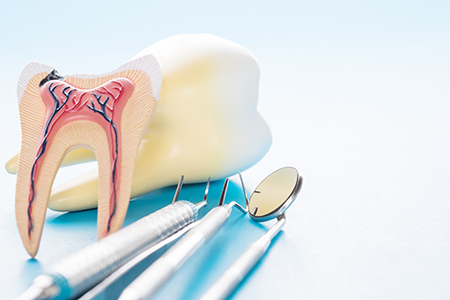
Teeth have an inner pulp that contains nerves and blood vessels. When decay or trauma reaches that pulp, the tissue can become inflamed, infected, or necrotic (non‑vital). Symptoms vary from sharp, lingering sensitivity to dull, constant aching, and sometimes there are no symptoms at all. That variability is why clinical exams and imaging are important.
Common warning signs that a tooth may need endodontic treatment include persistent pain that interferes with sleep, heightened sensitivity to hot or cold that lingers after the stimulus is removed, and discomfort when biting or chewing. A tooth that darkens over time or develops localized gum swelling can also indicate pulp involvement.
Not every ache is a sign of irreversible pulp disease; some sensitivity resolves with conservative care. Still, early evaluation is important because the underlying condition can progress without obvious symptoms. Detecting pulp disease before it spreads to surrounding tissues improves the predictability and ease of treatment.
Although symptoms are helpful, diagnosis typically combines a careful clinical exam with digital imaging to assess the extent of decay or periapical changes at the root tip. When our evaluation confirms irreversible pulp damage or infection, we will discuss root canal therapy as a conservative solution to preserve the tooth and restore comfort.
Pain that persists or increases—especially pain that awakens you from sleep or lasts for hours—often signals deeper tooth involvement. In these cases, the nerve tissue may be inflamed or infected and requires professional treatment.
If hot or cold foods and drinks cause prolonged discomfort even after the temperature source is gone, the internal tissues are likely compromised. This lingering sensitivity can indicate that the pulp will not recover without intervention.
Discomfort triggered by chewing or light tapping on a tooth commonly suggests inflammation or infection inside the tooth or at the root. Addressing this promptly can prevent further spread of infection.
A tooth that becomes grayish or darker than adjacent teeth may have internal changes from previous trauma or longstanding pulp necrosis. Discoloration is a visible clue that the pulp is no longer healthy.
A cracked or fractured tooth can expose the pulp to bacteria or damage the nerve directly. Even a small fracture can allow infection to develop internally, and treatment can often save the remaining structure.
Swelling, a small bump on the gum, or pus drainage are signs that an infection may have formed at the root tip. Prompt care reduces the risk of the infection extending to surrounding bone and tissues.
When bone supporting a tooth is compromised, mobility can occur. Treating the source of infection and restoring the tooth typically allows the surrounding tissues to heal and stabilize.
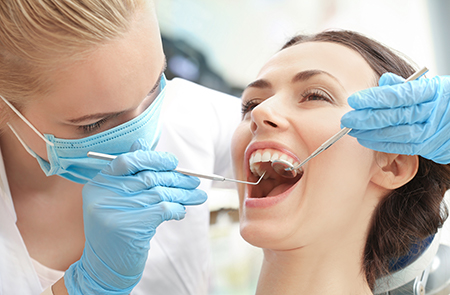
When signs point to pulp involvement, timely assessment and treatment improve the likelihood of successful, uncomplicated care. Waiting can allow infection to advance beyond the root tip, increasing the complexity of treatment and the potential for spread to adjacent teeth or bone.
Some teeth with early inflammation can be managed conservatively, but once the pulp is irreversibly damaged, root canal therapy is usually necessary to eliminate infection and prevent further tissue destruction. Early intervention minimizes the need for more involved procedures later on.
Promptly addressing pulp disease also reduces discomfort and the chance of acute flare-ups. A focused treatment plan tailored to the tooth’s anatomy and the extent of infection helps restore oral health while preserving as much natural structure as possible.
Root canal therapy today is performed with precision instruments and an emphasis on patient comfort. After an initial examination and appropriate imaging, the tooth is numbed with local anesthesia. Many patients report that the anesthetic phase is the least comfortable part, and the treatment itself is usually free of sharp pain.
Once the tooth is numb, the dentist creates a small access opening to reach the internal pulp chamber and canal system. Diseased tissue is gently removed and the canals are cleaned, shaped, and disinfected using specialized files and irrigants. This process eliminates bacteria and prepares the canals for filling.
After cleaning, the canals are sealed with a biocompatible filling material to prevent reinfection. Depending on the tooth and the clinical situation, this may be completed in a single visit or over two appointments. When necessary, short-term medicated dressings may be placed between visits to control infection.
Following root canal therapy, the tooth will typically require a protective restoration such as a crown or onlay to restore strength and function. Restoring the tooth promptly reduces the risk of fracture and helps ensure a durable, long-lasting result.
At Park Dental Wellness, we make post‑treatment comfort and recovery a priority. After the procedure, it is normal to have mild soreness for a few days as surrounding tissues heal. Over-the-counter analgesics are often sufficient, and we will provide individualized recommendations if stronger medication or antibiotics are appropriate.
You should avoid chewing on the treated tooth until the final restoration is placed, since a temporarily restored tooth can be more prone to fracture. Maintain gentle but thorough oral hygiene to support healing, and follow any specific care instructions provided by your dental team.
Keep an eye out for signs that warrant a follow-up visit, such as increasing pain, persistent swelling, or fever. While uncommon, complications can occur, and timely reassessment allows us to address issues before they become more serious.
With proper treatment and restoration, a tooth that has undergone root canal therapy can remain healthy and functional for many years. If you have questions about symptoms, the treatment process, or the best restoration for your tooth, please contact us for additional information and guidance.


Root canal therapy is a dental procedure that removes diseased or infected pulp from inside a tooth, cleans and shapes the canal system, and seals it to prevent reinfection. Dentists recommend this treatment when the pulp is irreversibly damaged by decay, trauma, or deep restoration work. The goal is to eliminate infection, relieve pain, and preserve the natural tooth whenever feasible.
Choosing a root canal is often a conservative alternative to extraction because it maintains the tooth’s structure and function. Successful treatment restores comfort and allows normal chewing and speaking. Your dentist’s recommendation is based on clinical findings and imaging that show the extent of pulp involvement and the likelihood of predictable healing.
Root canal therapy removes inflamed or infected pulp while leaving the remaining tooth structure intact, which helps preserve the tooth’s role in biting, chewing, and maintaining adjacent tooth alignment. By sealing the canal system, the procedure protects the surrounding bone and periodontal tissues from further infection and resorption. Preserving the natural tooth also retains the original root support, which is often preferable to extraction followed by prosthetic replacement.
After the canals are sealed, a protective restoration such as a crown or onlay restores strength and reduces the risk of fracture. Timely restoration is an important part of long-term success because treated teeth can become more brittle without adequate coverage. When properly treated and restored, many root canal–treated teeth remain functional for decades.
Common signs that a tooth may need endodontic treatment include persistent or worsening pain, especially pain that wakes you at night or lasts for hours, and lingering sensitivity to hot or cold after the stimulus is removed. You might also notice pain when biting, a tooth that darkens compared with surrounding teeth, or localized gum swelling or a small bump that suggests drainage. However, some infected teeth cause little or no pain, which is why clinical exams and imaging are important.
Early evaluation improves the chance of a straightforward, successful outcome and may allow for more conservative management in some cases. Your dentist will use a detailed history, clinical tests, and digital radiographs to determine whether the pulp is irreversibly damaged. Prompt diagnosis helps prevent the spread of infection to adjacent teeth and bone.
A modern root canal begins with a thorough examination and appropriate imaging, followed by local anesthesia to ensure comfort throughout the procedure. The dentist creates a small access opening to reach the pulp chamber and uses specialized instruments and irrigants to remove diseased tissue, clean, and shape the canals. The cleaned canals are then filled with a biocompatible material and sealed to prevent reinfection.
Some treatments are completed in a single visit while others may require a short series of appointments if infection control or anatomy warrants it. Temporary medicated dressings can be placed between visits to aid healing when needed. Once the root canal is finished, a permanent restoration such as a crown is typically recommended to restore form and function.
Most patients report that modern root canal procedures are no more uncomfortable than receiving a typical filling because local anesthesia numbs the tooth and surrounding tissues. Many people find that the anesthetic injection is the most uncomfortable part, while the cleanup and sealing of the canals are usually free of sharp pain. Dentists use techniques and medications to minimize discomfort and to help patients remain relaxed during treatment.
After the procedure, it is normal to experience mild soreness or tenderness for a few days as surrounding tissues heal, and over-the-counter pain relievers are often sufficient for this discomfort. Your dentist will provide personalized aftercare guidance and may prescribe medication if clinical signs indicate a greater need. If pain increases or is accompanied by fever or persistent swelling, prompt follow-up is important.
After a root canal, avoid chewing on the treated tooth until it has a definitive restoration, because provisional fillings can be more vulnerable to fracture. Maintain gentle but thorough oral hygiene, brushing and flossing carefully around the area to keep tissues clean and reduce bacterial load. Follow any specific instructions from your dentist about medications, rinses, or diet during the immediate recovery period.
Attend any scheduled follow-up appointments so the dentist can confirm healing and place the permanent restoration when appropriate. If you notice increasing pain, swelling, or signs of infection such as drainage or fever, contact the office promptly for reassessment. At Park Dental Wellness we emphasize clear post‑treatment instructions and timely restoration to support long-term success.
When a root canal is performed correctly and the tooth is properly restored, many treated teeth remain functional for many years and often for a lifetime. Longevity depends on factors such as the extent of preexisting damage, the tooth’s resting structural integrity, how well the final restoration protects the tooth, and the patient’s overall oral hygiene. Regular dental checkups and maintenance reduce the risk of recurrent problems and help identify issues early.
Teeth that receive prompt, high-quality endodontic care followed by an appropriate crown or onlay have higher survival rates because the restoration prevents fracture and recontamination. Good home care and routine professional cleanings are important contributors to the long-term prognosis. If a treated tooth does encounter later problems, retreatment or other restorative options remain possible in many cases.
Root canal therapy may not be the recommended option when a tooth is nonrestorable due to extensive structural loss, severe periodontal disease, or vertical root fracture. In those situations extraction may be the more predictable path to protect oral health. Your dentist will evaluate the tooth’s restorability, overall prognosis, and how it fits into your long-term dental plan before recommending treatment.
If extraction is necessary, replacement options include dental implants, bridges, or removable prostheses depending on the clinical circumstances and patient preferences. Each alternative has benefits and considerations related to function, bone preservation, and maintenance. A careful discussion with your dental team helps determine the most appropriate solution for your oral health goals.
The decision is based on a thorough evaluation of the tooth’s structural integrity, the extent of infection or bone loss, periodontal status, and the tooth’s strategic role in the mouth. Imaging, clinical tests, and consideration of future restorative needs inform whether the tooth can be predictably saved. If the tooth can be restored to function with a favorable prognosis, root canal therapy is usually preferred because it preserves natural anatomy.
When a tooth is fractured in a way that cannot be reliably repaired, has advanced bone loss, or is otherwise nonrestorable, extraction may be the more appropriate choice. Patient health, treatment history, and personal preferences also factor into the recommendation. Your dentist will explain the rationale, expected outcomes, and next steps so you can make an informed decision.
The office uses modern instruments, digital imaging, and evidence‑based protocols to improve accuracy, reduce chair time, and lower the risk of complications. Local anesthesia, gentle technique, and clear communication are prioritized to keep patients comfortable, and infection control procedures minimize cross‑contamination. Where appropriate, the team may use adjunctive tools such as magnification and ultrasonic instruments to enhance visualization and cleaning of complex canal anatomy.
The practice emphasizes individualized treatment planning so each case receives the care it requires based on anatomy and infection status. Detailed pre‑operative assessment and post‑operative instructions support predictable healing and recovery. Park Dental Wellness combines up‑to‑date methods with a patient‑centered approach to help patients feel informed and supported throughout treatment.
At Park Dental Wellness, reaching us is simple. Whether you have questions about treatments or are ready to schedule your next visit, our friendly team is here to guide you every step of the way. Call, email, or use our convenient online form—we’ll make sure your experience is easy, comfortable, and tailored to your needs.
Start your journey to a healthier, more confident smile today!
