

At the office of Park Dental Wellness, we focus on building strong, healthy smiles for children at every stage of growth. Pediatric dentistry is more than fixing cavities — it’s about preventive care, education, and early guidance that sets young patients up for a lifetime of good oral health and confidence. Our team combines clinical expertise with a calm, kid-friendly approach so visits are productive and reassuring for both children and their parents.

Healthy smiles begin with simple daily habits. Teaching children how to brush and floss properly, explaining why sugary snacks should be limited, and modeling consistent oral care are the foundation of long-term dental wellness. Early, positive routines reduce the likelihood of cavities, lessen the need for restorative care, and help children feel proud of their smiles.
When those habits are paired with regular professional care, prevention becomes highly effective. Our pediatric approach emphasizes gentle examinations and age-appropriate instruction so children learn proper techniques in a supportive environment. We work with families to develop practical routines that fit into busy lives while reinforcing why oral health matters.
Preventive services — from cleanings and fluoride applications to sealants when appropriate — are selected based on each child’s needs. Rather than a one-size-fits-all plan, we tailor recommendations to the child’s age, dental development, and risk factors. This individualized strategy helps minimize future problems and keeps visits straightforward and focused on lasting outcomes.
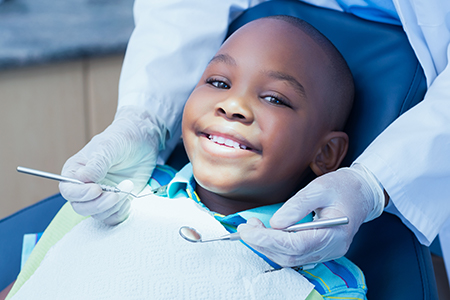
Regular dental checkups are essential checkpoints that allow us to catch small issues before they become major concerns. During a typical exam, we review the child's medical and dental history, assess growth and development, examine teeth and gums, and discuss any behavioral or dietary factors that might affect oral health. These visits are also an opportunity to coach parents and children on effective home care.
Digital radiographs are used selectively to reveal concerns beneath the surface, such as decay between teeth or the position of developing adult teeth. Imaging is carefully considered and tailored to each patient's needs, balancing diagnostic value with radiation safety. When radiographs are recommended, they help us create a more complete picture of oral development and treatment requirements.
Professional cleanings remove plaque and tartar that regular brushing can miss, especially in hard-to-reach areas. Cleanings also provide a chance to reinforce technique and address any emerging issues early. When prevention is consistent, children often experience fewer appointments for restorative care, which leads to more comfortable, predictable dental experiences overall.
Tooth decay is one of the most common chronic conditions in childhood, and its effects reach beyond the mouth — impacting nutrition, sleep, school attendance, and self-esteem. Because baby teeth hold space for future permanent teeth and facilitate normal chewing and speech, protecting them is critical. Early intervention prevents complications that might otherwise require more complex care.
Our preventive toolkit includes targeted fluoride recommendations and sealants applied to chewing surfaces once permanent molars erupt. These evidence-based measures strengthen enamel and block vulnerable grooves where decay often starts. Education on reducing sugary exposures and encouraging tooth-friendly snacks complements clinical care to reduce overall risk.
When decay is detected, prompt, minimally invasive treatment preserves tooth structure and prevents infection. We emphasize techniques that are as comfortable as possible and explain options so families can make informed decisions. Our goal is to restore health while maintaining trust and minimizing anxiety about future appointments.
Start care early — establish a dental partnership and bring your child for checkups by their first birthday.
Keep baby and toddler teeth clean with gentle wiping and age-appropriate toothbrushes as teeth appear.
Avoid letting a child fall asleep with bottles containing anything other than water to reduce decay risk.
Maintain routine dental visits and professional cleanings according to the schedule recommended by our team.
Encourage healthy choices and model consistent brushing and flossing to reinforce good habits at home.
Limit sugary drinks and sticky snacks; choose water and whole foods that support strong teeth and overall health.
Guide children gently away from prolonged pacifier use or thumb-sucking at the appropriate developmental stage.
Use a properly fitted mouthguard when your child plays contact or high-impact sports to protect teeth and soft tissues.
Active children benefit from the security a well-fitted mouthguard provides. Custom mouthguards reduce the risk of fractured or lost teeth and protect soft tissues during falls or collisions. We discuss options based on the child’s sport and activity level so families can choose the best protective solution.
Injuries, from chipped teeth to more serious dental trauma, are treated with urgency and care. Knowing how to respond immediately to a knocked-out tooth or a painful injury can make a considerable difference in outcome. Our office provides clear guidance on emergency steps and offers prompt evaluation and care when accidents occur.
When a child loses a baby tooth prematurely because of decay or trauma, space maintenance might be necessary to preserve room for the permanent tooth. These simple appliances prevent adjacent teeth from shifting into the empty space and help avoid crowding or alignment issues down the line.

Baby teeth begin forming long before they emerge, and they start appearing during the first year of life. Because these initial teeth are vital for chewing, speech development, and holding space for permanent teeth, establishing an early dental home is important. Current professional guidance encourages a first visit around a child’s first birthday or when the first tooth appears.
Parents can begin oral care even before teeth appear by gently cleaning the gums after feeds. When teeth erupt, a soft infant toothbrush or a damp cloth may be used, followed by introducing a smear of fluoride toothpaste when age-appropriate. These small steps help prevent early decay and set the stage for independent brushing habits later on.
Teething can be uncomfortable but is generally a normal part of development. Safe remedies — such as cooled teething rings or gentle gum massage — can soothe soreness. If parents have concerns about fever, excessive irritability, or other symptoms, we encourage them to reach out so we can advise on appropriate care.
Nutrition plays a central role in dental health. A balanced diet rich in vitamins and minerals supports strong enamel and healthy gums, while frequent consumption of sugary or sticky foods increases decay risk. We provide practical guidance on snack choices and hydration strategies that benefit both dental and overall growth.
As children grow, we monitor facial and jaw development to spot early signs that might benefit from orthodontic evaluation. Many alignment issues are detectable in the early school years, and timely assessment helps determine whether interceptive treatments or simply observation is the best path. When specialized care is indicated, we coordinate with orthodontic colleagues to ensure seamless management.
Transitioning teens toward independent oral care is another important milestone. We support older children in taking responsibility for brushing, flossing, and scheduling their own visits, so they enter adulthood with strong habits and a clear understanding of how to maintain oral health.
Beyond checking for cavities, pediatric dental visits include evaluating jaw growth, bite alignment, and speech-related function. Monitoring these factors allows us to recommend early intervention when necessary and to track progress over time. Early detection of growth-related concerns often simplifies treatment and improves long-term outcomes.
Good oral health is rooted in everyday choices. Encouraging water, whole foods, and tooth-friendly snacks helps protect smiles while contributing to overall wellness. We provide realistic, family-centered advice that balances nutrition, convenience, and dental safety so parents can make informed decisions that fit their household.
In summary, pediatric dentistry is about prevention, education, and timely care that respects each child’s development. Our practice offers thoughtful guidance, gentle clinical care, and a focus on building confident, healthy smiles. If you’d like to learn more about our pediatric dental services or how we support children through every stage of growth, please contact us for additional information.


We recommend establishing a dental home by a child’s first birthday or when the first tooth appears. Early visits allow the team to monitor dental development, identify risk factors, and teach parents simple home care techniques. Gentle early exposure helps children become comfortable with the office and reduces anxiety later.
At Park Dental Wellness we focus on building positive routines that start at this early visit and emphasize prevention and education. The appointment typically includes a brief exam, guidance on cleaning and teething, and a conversation about nutrition and habits. Early visits set the stage for predictable, effective care as your child grows.
A pediatric exam includes reviewing medical and dental history, assessing eruption and bite development, and examining teeth and soft tissues for signs of decay or disease. The clinician may demonstrate brushing techniques and coach parents on home care strategies. Behavior management and age-appropriate communication make the visit informative and comfortable for children.
Digital radiographs are used selectively to reveal hidden decay or check the position of developing permanent teeth, with radiation safety measures in place. Professional cleanings remove plaque and tartar and allow close inspection of high-risk areas. The team will conclude with individualized recommendations for preventive care and timing of future visits.
Preventing cavities combines consistent home care with targeted professional treatments and behavioral guidance. Parents should supervise brushing with fluoride toothpaste, limit sugary drinks and snacks, and encourage tooth-friendly alternatives like water and whole foods. Establishing routines and modeling good habits help reduce decay risk.
The practice tailors prevention to each child’s needs, using measures such as fluoride varnish and sealants when appropriate and educating families on feeding and sleep-related risks. Regular cleanings and early detection allow minimally invasive intervention before problems progress. This individualized approach keeps visits focused on long-term oral health.
Our team uses a calm, child-friendly approach to reduce fear and build trust during appointments. We explain procedures at an age-appropriate level, use positive reinforcement, and move at a pace that respects each child’s comfort. For children with higher anxiety, we discuss behavior strategies and simple coping techniques with parents. Creating a supportive environment helps children leave feeling more confident.
When treatment is necessary, we prioritize minimally invasive techniques and gentle tools to limit discomfort and preserve tooth structure. We coordinate with parents to prepare children before visits and maintain a consistent, predictable routine. These measures reduce the need for extensive restorative care and promote positive lifelong attitudes toward dental health.
Dental sealants are thin protective coatings applied to the chewing surfaces of back teeth to block grooves where decay often starts. They are most commonly placed on permanent molars soon after eruption to provide long-lasting protection. Sealants are quick to apply and are an effective part of a preventive strategy.
Our team evaluates the child’s cavity risk and dental development before recommending sealants, combining them with fluoride and daily home care for best results. Sealants are part of an individualized plan designed to reduce future restorative needs and simplify routine care. We monitor sealed teeth at regular checkups to ensure they remain intact and effective.
Parents can care for baby teeth by gently cleaning gums after feeds and using a soft infant toothbrush as teeth erupt. A smear of fluoride toothpaste is recommended when age-appropriate, and parents should supervise brushing until a child can reliably spit. Consistent care protects teeth that play important roles in chewing, speech, and space maintenance.
Teething discomfort is common and can be eased with cooled teething rings or gentle gum massage; parents should avoid topical anesthetics without professional advice. The practice encourages parents to reach out if they notice fever, excessive irritability, or other concerning symptoms so clinicians can provide guidance. Early, routine care sets children up for smoother transitions to independent brushing.
Dental injuries range from small chips to more serious trauma such as a knocked-out tooth, and prompt action can affect the outcome. For a knocked-out permanent tooth, handle the tooth by the crown (not the root), rinse gently if dirty, and try to place it back in the socket or store it in milk or the child’s saliva until you can reach urgent care. For painful swelling, loose teeth, or deep cuts to the lips and gums, contact the dental office promptly for evaluation. Knowing basic first steps and calling early helps the team provide timely, effective care.
Our office in Burton, MI provides clear emergency guidance and prioritizes urgent pediatric evaluations when needed to protect developing smiles. We advise parents to bring any displaced teeth or fragments to the appointment and to keep allergy and medical history information available. Quick professional assessment reduces the risk of long-term complications.
Orthodontic evaluation is typically recommended during the early school years to assess jaw growth, bite relationships, and tooth alignment. Many alignment issues are easier to address when detected early, and an evaluation helps determine whether interceptive treatment, observation, or later orthodontics are most appropriate. Monitoring facial growth over time allows the team to recommend the optimal timing for intervention.
If early signs such as crowded teeth, significant bite shifts, or asymmetry appear, we coordinate with orthodontic colleagues for assessment and seamless care. Pediatric visits include growth assessments so parents receive timely guidance about potential referral. Early collaboration with specialists helps preserve treatment options and improves long-term outcomes.
Nutrition directly influences enamel strength, gum health, and the risk of decay. Frequent exposure to sugary or sticky foods and drinks increases cavity risk, while water, fruits, vegetables, and calcium-rich foods support stronger teeth and overall growth. Encouraging balanced meals and scheduled snack times reduces constant acid attacks on enamel.
We provide practical, family-centered advice that balances convenience with dental safety, suggesting tooth-friendly snack swaps and hydration strategies. For infants, limiting prolonged exposure to bottles or sippy cups with anything other than water is important to prevent early decay. Parents should also be mindful of hidden sugars in juices, processed snacks, and certain dried fruits to support healthy dental development.
Space maintainers are simple appliances used when a primary tooth is lost prematurely to preserve room for the developing permanent tooth and prevent shifting of adjacent teeth. They are recommended when early tooth loss could lead to crowding or alignment problems that complicate future orthodontic treatment. A timely evaluation determines whether a maintainer will benefit the child.
Custom mouthguards are recommended for contact and high-impact sports to protect teeth, soft tissues, and developing jaws, and they fit more comfortably and offer better protection than store-bought options. Our team discusses sport-specific needs and fabricates or recommends the appropriate protective solution. Using protective devices reduces the risk of traumatic dental injuries and supports safe participation in sports.
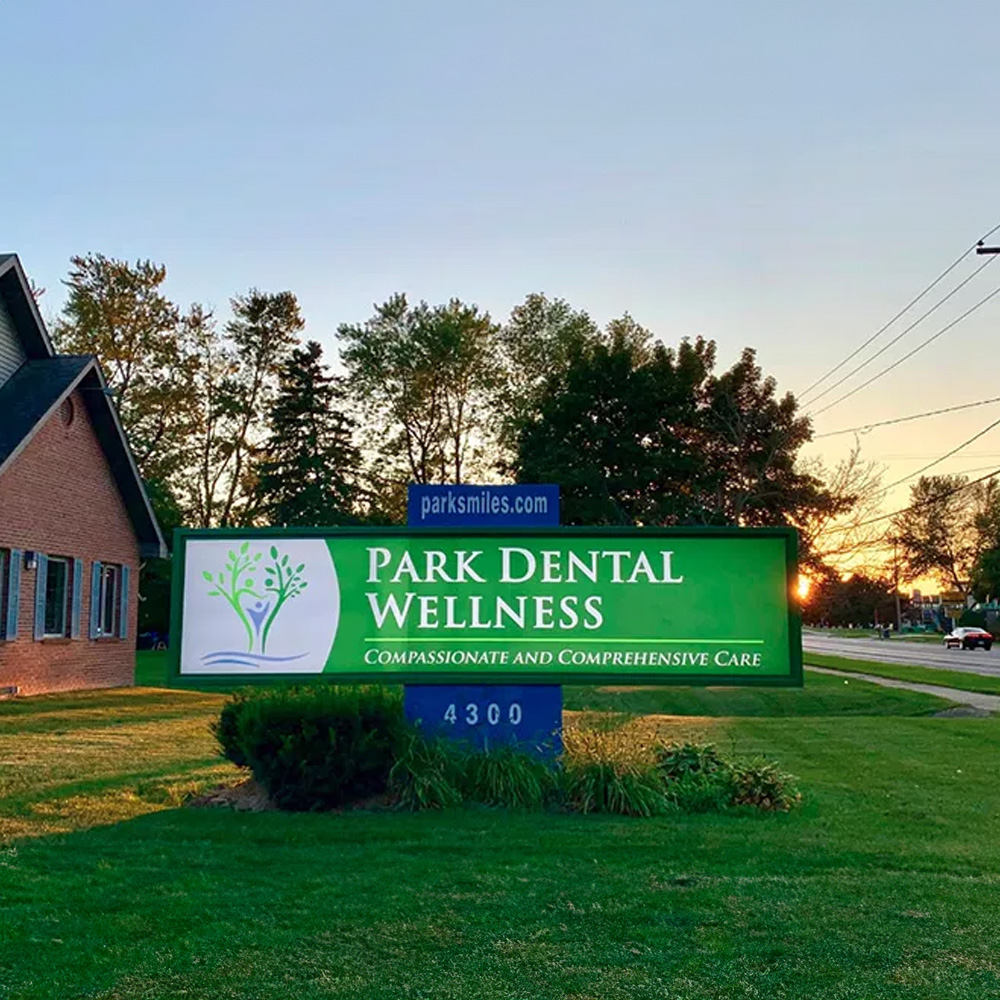
At Park Dental Wellness, reaching us is simple. Whether you have questions about treatments or are ready to schedule your next visit, our friendly team is here to guide you every step of the way. Call, email, or use our convenient online form—we’ll make sure your experience is easy, comfortable, and tailored to your needs.
Start your journey to a healthier, more confident smile today!
