

At the office of Park Dental Wellness, we take a preventive-first approach to dental care because the simplest way to protect a smile is to stop problems before they start. Regular oral exams are the foundation of that strategy: they let us catch developing issues early, reinforce good home care, and tailor recommendations to each family member’s needs. Our preventive services include thorough clinical examinations, professional cleanings, oral cancer screenings, and practical guidance on brushing, flossing, nutrition, and habits that affect oral health.
Your first comprehensive visit sets the stage for all future care. We begin by reviewing your medical and dental histories and listening closely to any concerns you have — symptoms, sensitivities, prior dental work, medication changes, or lifestyle factors that affect your mouth. This conversation helps us prioritize what to look for during the exam and ensures our recommendations reflect your overall health.
The clinical portion of the exam examines more than just cavities. We evaluate the teeth, gums, tongue, cheeks, and the supporting bone, and we assess bite alignment and jaw function. Screening for oral cancer and checking periodontal health are standard parts of this assessment, and we look for signs of grinding, clenching, or other habits that can damage teeth over time.
Diagnostic imaging may be recommended to give us a complete picture of structures hidden beneath the surface. When films are taken, they help reveal decay between teeth, bone levels around roots, and other conditions that are not visible to the naked eye. After gathering exam findings and images, we’ll discuss any treatment needs, prioritize next steps, and outline options so you can make informed choices about your care.

Oral health and general health are closely linked. Problems in the mouth can signal systemic issues, and systemic conditions often show early signs in oral tissues. During an exam we pay attention to patterns that could indicate broader health concerns — persistent gum inflammation, unusual oral lesions, chronic dry mouth, or rapid changes in oral tissues all warrant careful evaluation and, when appropriate, communication with your medical provider.
Research increasingly shows associations between oral disease and conditions such as heart disease, diabetes, respiratory concerns, and certain nutritional deficiencies. While oral disease does not single-handedly cause these illnesses, inflammation and infection in the mouth can contribute to the body’s overall inflammatory burden. Spotting oral signs early gives us an opportunity to address risks and coordinate care that supports whole-body health.
Conversely, medications, hormonal changes, and systemic disorders can produce oral symptoms — from mucosal changes to altered saliva flow — so a thorough oral exam helps clarify whether a symptom is primarily dental or part of a medical issue. Our goal is to interpret oral findings in context and recommend sensible next steps, whether that means local dental treatment, preventive measures, or referral for further medical evaluation.
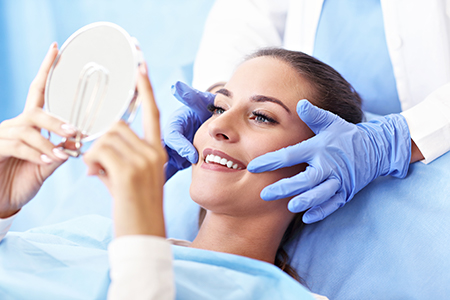
A bright, functional smile requires regular attention. Daily brushing and flossing are essential, but professional exams and cleanings remove hardened deposits and biofilm that home care can miss. During a cleaning, our hygienist gently removes plaque and tartar from tooth surfaces and below the gumline, helping to prevent cavities and periodontal disease before they progress to more complex problems.
Routine visits are also an opportunity for education and skill-building. We’ll review brushing and interdental techniques tailored to your mouth, recommend products that suit your needs, and discuss simple dietary or habit changes that can reduce risk. These visits are not just maintenance; they’re a chance to strengthen your ability to protect your oral health day to day.
For children and adolescents, regular exams track growth and development so we can detect shifts in jaw alignment or tooth eruption early. Monitoring these milestones helps us determine whether orthodontic assessment or early intervention may benefit a child’s long-term function and smile stability. For adults, consistent follow-up supports the longevity of restorations and maintains the health of natural teeth for years to come.
Our office typically recommends a schedule of regular checkups so we can keep a close eye on changes and intervene promptly when needed. Early detection usually means simpler, more conservative treatment and a better long-term outcome for your oral health.
While a careful visual exam is invaluable, diagnostic images are the only way to assess deeper structures reliably. Digital radiographs reveal decay beneath restorations, the condition of tooth roots, the height of the jawbone, and areas of infection or bone loss. These images are a key component of modern, accurate diagnosis and treatment planning.
Digital radiography has several advantages over traditional film. Images appear instantly, require much less radiation, and integrate seamlessly into a patient’s electronic record. They can be enlarged, enhanced, and shared with specialists when collaborative care is needed, improving clarity and communication about clinical findings.
Using digital tools also reduces environmental impact by eliminating chemical processing, and immediate access to images helps us explain findings visually so patients understand the basis for recommendations. Whether confirming a filling is sound or mapping the site for more advanced treatment, digital imaging is an essential diagnostic tool.
In specific cases, three-dimensional imaging such as cone-beam computed tomography (CBCT) provides detailed views of jaw anatomy, nerve pathways, and sinus relationships — information that can be critical for complex treatment planning and surgical precision.
The choice of radiograph depends on what we need to evaluate. Small intraoral films are excellent for close-up views of a single tooth and its root, while bitewings focus on the chewing surfaces of posterior teeth and are especially useful for detecting early decay between teeth. A full-mouth series combines several views to document the condition of every tooth and surrounding bone.
Periapical x-ray - Captures an entire tooth from crown to root and shows surrounding bone for root and infection assessment.
Bitewing x-ray - Shows the upper and lower posterior teeth in one view to detect interproximal decay and monitor bone levels between teeth.
Full mouth series - A comprehensive collection of bitewings and periapicals that gives a baseline overview of oral health.
Panoramic film (panorex) - Provides a broad two-dimensional view of the jaws, teeth, and surrounding structures useful for evaluating tooth development, impacted teeth, and jaw integrity.
Cephalometric film - Offers a profile view of the face and jaws and is commonly used for orthodontic assessment and growth analysis.
When three-dimensional detail is necessary, CBCT imaging offers volumetric views that aid precision in diagnosis, surgical planning, and implant placement. We recommend imaging tailored to the clinical question at hand — using the least invasive option that provides the information we need to deliver safe, effective care.
At Park Dental Wellness, our approach to oral exams emphasizes prevention, clear communication, and personalized recommendations. Whether you’re establishing a baseline for a new patient relationship or returning for routine maintenance, our exams are designed to protect your smile and support your overall health. Contact us for more information about what to expect at your next oral exam or to schedule an appointment.
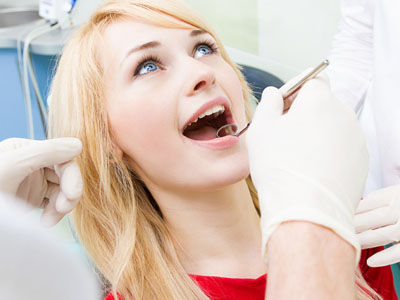

A comprehensive oral exam evaluates the health of the teeth, gums, soft tissues and supporting structures. It begins with a review of your medical and dental history and a conversation about symptoms, sensitivities, medications and lifestyle factors that affect oral health. The clinical exam includes visual and tactile inspection of teeth, periodontal assessment, evaluation of the tongue, cheeks and the oral mucosa, and an assessment of bite alignment and jaw function.
When needed, diagnostic imaging supplements the clinical exam to reveal decay between teeth, bone levels and conditions beneath the gumline. Findings are summarized and explained so you understand any concerns, and recommendations are prioritized to reflect your overall health and personal goals. This approach helps the team tailor preventive strategies and treatment plans that minimize invasiveness while protecting long-term oral health.
For your initial oral evaluation at Park Dental Wellness, bring a current list of medications, recent medical information and any prior dental records you have available. Arrive ready to discuss symptoms, previous dental work, sleep or breathing concerns and any habits such as grinding or tobacco use that might affect oral tissues. Sharing this information early helps your clinician identify priorities and reduces the need for repeat visits to gather missing details.
There is no special preparation for most exams, but maintaining your usual oral hygiene routine before the appointment gives the clinician a clear view of your baseline cleanliness. Plan to allow extra time for the initial visit because comprehensive exams often include imaging and detailed care planning. Write down questions or goals ahead of time so you leave with a clear understanding of recommended next steps.
Most patients benefit from routine oral exams and professional cleanings about every six months, which allows the team to monitor changes and address issues early. However, exam frequency is individualized based on factors such as periodontal status, decay risk, medical conditions and lifestyle. Some patients with stable oral health may need less frequent visits, while those with active disease or higher risk may require more frequent monitoring.
During each visit the clinician compares current findings to prior records to detect subtle changes over time and to measure the effectiveness of preventive measures. Regular intervals allow simpler, more conservative treatments and support the longevity of natural teeth and restorations. Your dental team will recommend an interval that balances preventive care with your personal health needs.
Oral cancer screening is a routine and important component of a comprehensive exam and includes a careful visual and tactile inspection of the lips, tongue, floor of mouth, cheeks and throat. Clinicians look for persistent sores, red or white patches, lumps, or other abnormalities that do not resolve over a defined period. When findings are suspicious, we document the area, discuss possible causes and explain the options for observation, biopsy or referral to a specialist.
Screening also includes a review of risk factors such as tobacco use, alcohol consumption, human papillomavirus exposure and a history of prior head and neck cancer. Early detection of oral lesions improves the chances of successful, less invasive treatment, so reporting persistent symptoms between visits is important. When appropriate, the dental team will coordinate with medical providers to ensure comprehensive evaluation and timely follow-up.
Digital radiography is integrated into modern oral exams because it reveals decay beneath restorations, the length and condition of roots, bone levels and other structures not visible to the naked eye. These images appear instantly, use low radiation doses and can be enhanced to improve diagnostic clarity. They also become part of your electronic record, facilitating case review and collaboration with specialists when needed.
When three-dimensional detail is necessary for complex diagnosis or surgical planning, cone-beam computed tomography (CBCT) provides volumetric views of the jaw, nerve pathways and sinus relationships. CBCT is reserved for specific clinical questions where the extra information changes treatment decisions, and clinicians select the smallest field of view necessary to answer those questions. Your provider will explain the rationale for any imaging and how it informs a safe, precise treatment plan.
Oral exams play a key role in assessing signs that may reflect broader health concerns because many systemic conditions produce detectable oral changes. Persistent gum inflammation, unusual oral lesions, chronic dry mouth and rapid changes in tissue health can all prompt further medical evaluation. Recognizing these patterns allows the dental team to communicate findings with your medical providers and to coordinate care when appropriate.
Although oral disease does not single-handedly cause systemic illness, untreated infection and inflammation in the mouth contribute to the body’s overall inflammatory burden and can complicate other health conditions. A thorough exam helps identify risks early so that targeted preventive steps or referrals can reduce potential complications. This collaborative approach supports both oral and whole-body wellness over time.
A professional cleaning during an oral exam removes plaque and hardened tartar from tooth surfaces and just below the gumline, areas that routine home care can miss. Hygienists use specialized instruments to scale deposits and polish teeth, reducing bacterial load and helping prevent cavities and periodontal disease. Gentle instruction on brushing and interdental techniques is provided to reinforce effective daily habits tailored to your mouth.
Periodontal screening measures pocket depths and checks for bleeding, recession and attachment loss to determine gum health and disease severity. When deeper pockets or active periodontal inflammation are present, the team will explain nonsurgical and, if needed, surgical options to stabilize the tissues. Regular cleanings combined with periodontal monitoring help preserve bone support and the long-term function of natural teeth.
Oral exams for children and adolescents monitor tooth eruption, jaw growth and development so clinicians can identify alignment trends early. Early detection of developing bite problems allows for timely evaluation and, when indicated, referral for orthodontic assessment or airway-focused interventions. Tracking these milestones helps clinicians recommend the most conservative timing for any interceptive treatment.
Exam visits also include age-appropriate education about hygiene, diet and habits that influence growth and tooth health, which empowers families to prevent common problems. For pediatric patients, preventive strategies may include fluoride therapies, sealants and behavior-focused guidance to reduce decay risk. Regular follow-up ensures that developmental concerns are addressed before they become more complex.
After the exam the clinician will review findings with you, highlighting any areas of concern and answering questions about the results. They will present prioritized treatment options and explain the benefits, risks and timing of each recommendation in plain language. This discussion helps you make informed choices and sets clear expectations for next steps.
A written treatment plan or summary may be provided to document recommended care and to help you track appointments and progress. When specialist consultation or medical collaboration is needed, your dental team will facilitate referrals and share relevant records to support coordinated care. Follow-up intervals will be set to monitor healing, the effectiveness of preventive measures and any planned interventions.
To make the most of your oral exam bring a current list of medications, notes about medical conditions or recent tests, and a summary of prior dental work if available. Bringing a list of questions or concerns ensures you cover priorities during the visit and helps the team address your goals efficiently. If you have recent records or images from another dentist, ask how best to share them ahead of time so your clinician can review them before or during the appointment.
When you arrive at Park Dental Wellness, plan to discuss any sleep, breathing or jaw-related symptoms since they can influence diagnosis and treatment recommendations. Be prepared to receive personalized home-care guidance and to schedule any necessary follow-up imaging, hygiene visits or specialist consultations. Active participation and clear communication with your dental team optimize outcomes and support a lifetime of oral health.
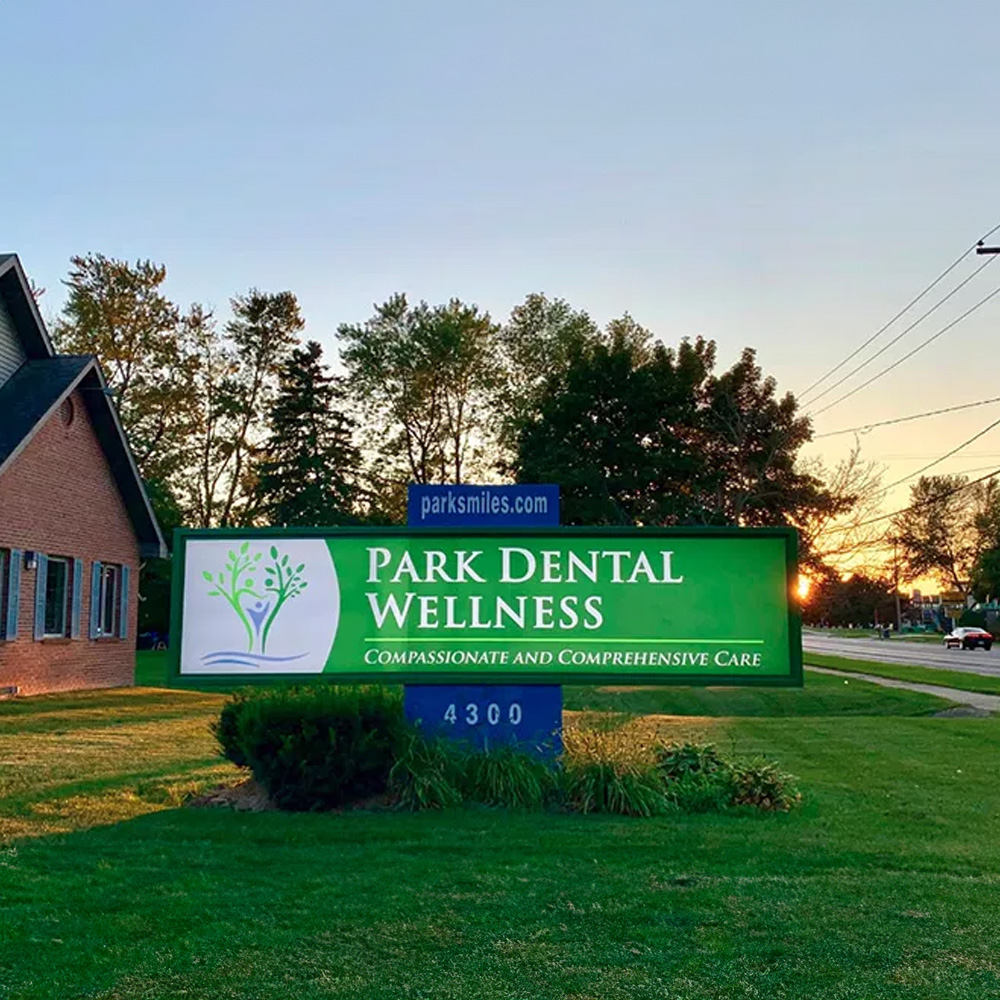
At Park Dental Wellness, reaching us is simple. Whether you have questions about treatments or are ready to schedule your next visit, our friendly team is here to guide you every step of the way. Call, email, or use our convenient online form—we’ll make sure your experience is easy, comfortable, and tailored to your needs.
Start your journey to a healthier, more confident smile today!
