Oral cancers may represent a relatively small share of all cancer diagnoses, but their impact is outsized: survival and quality of life depend heavily on how early a lesion is found. The American Cancer Society estimates that about 51,000 people in the United States will develop oral or oropharyngeal cancer in a typical year, with roughly 10,000 deaths attributable to the disease. Because early-stage disease is far more treatable, regular screening during dental visits is one of the most practical steps patients can take to protect long-term health.
Screening is not intended to cause alarm — it’s an evidence-based safety net. Many lesions that appear suspicious are benign, but some can be early signs of cancer or pre-cancer. Detecting changes when they are small increases treatment options and can preserve more of the mouth’s function and appearance. For this reason, oral cancer screening is considered a routine component of comprehensive dental care rather than a specialized or optional service.
Public health trends have evolved over recent decades: while overall oral cancer mortality has declined in some populations thanks to earlier detection and better treatments, certain types of oropharyngeal cancers have risen in association with HPV exposure. That shifting landscape makes ongoing vigilance important for patients of all ages and backgrounds.
Risk for oral cancer is influenced by both lifestyle and biological factors. Tobacco use — including cigarettes, cigars, pipes, and chewing tobacco — and heavy alcohol consumption have long been recognized as major contributors. Men are diagnosed at higher rates than women, and risk increases with age; historically, men over 50 have been among the most affected groups. That said, changes in behavior and viral exposures mean clinicians now see cases across broader age ranges.
Human papillomavirus (HPV), particularly strains linked to oropharyngeal disease, has shifted the risk profile for certain cancers of the throat and tonsils. Other contributors include chronic sun exposure to the lips, a history of radiation to the head or neck, gastroesophageal reflux that can irritate oral tissues, exposure to certain workplace chemicals, and nutritional deficits. While having one or more risk factors does not mean a person will develop cancer, awareness helps guide how closely the oral tissues should be monitored.
Part of the screening conversation is individualized risk assessment. Dentists review medical and social history to identify concerns and to personalize follow-up intervals. When risk is elevated, clinicians may recommend more frequent checkups or closer surveillance of any suspicious areas.
An oral cancer screening is typically concise, noninvasive, and performed as part of a routine exam. The clinician will first review your medical and dental history, asking about changes in health, tobacco or alcohol use, recent sore throats or ear pain, and any new or persistent oral symptoms. This background helps direct the physical examination and any additional testing that may be appropriate.
The hands-on exam begins with a thorough visual inspection of the lips, tongue (top, bottom, and sides), floor and roof of the mouth, cheeks, gums, and throat. The clinician will gently palpate the tissues and the lymph nodes of the neck to detect firm lumps, unusual thickening, or induration that may not be visible. This combination of looking and feeling is essential because some lesions are flat or hidden and others are felt as subtle changes beneath the surface.
When an area appears suspicious, the dentist will explain what they observed and outline next steps. In many cases that means close observation with a short-interval recheck. If needed, the practice coordinates with oral surgeons or ENT specialists for biopsy and diagnostic workup. Some practices also use adjunctive technologies to aid visualization; these tools can be helpful but do not replace a careful clinical exam and professional judgment.
Knowing what to watch for empowers patients to seek timely care. Persistent sores or ulcers that do not heal within two weeks, lumps or thickened areas in the mouth or neck, and patches of red or white tissue are among the most common early warning signs. Other symptoms that merit evaluation include unexplained bleeding, numbness in the mouth or lips, difficulty swallowing or moving the jaw and tongue, and a change in voice or chronic hoarseness.
Because early lesions can be painless, routine visual and tactile exams are crucial — many people discover abnormal changes only after they become more advanced. If you notice a sore that lingers, a new bump, or a persistent sore throat without an obvious cause, mention it at your next dental visit rather than waiting for routine recall. Prompt assessment can distinguish benign causes from conditions that require further investigation.
Self-awareness is useful, but it is not a substitute for professional screening. Dentists are trained to recognize subtle tissue changes that are easy to miss for an untrained eye. When patients bring concerns to their provider early, it creates the best chance for timely diagnosis and less invasive treatment.
If a screening identifies a lesion of concern, the next steps focus on clear communication and timely action. The dentist will document the finding, explain the rationale for further testing, and discuss referral options for biopsy or specialist evaluation. Biopsy remains the definitive way to determine whether tissue changes are cancerous or benign, and dental teams work with oral surgeons, ENT specialists, and oncology teams to ensure seamless handoffs when needed.
Beyond diagnosis, post-detection care often includes support for addressing modifiable risk factors such as tobacco use and alcohol consumption. Many practices offer or can recommend resources for smoking cessation, nutritional counseling, and protective measures, like sun protection for the lips. Coordination with medical colleagues helps address systemic issues and plan any necessary medical or surgical interventions.
Follow-up is important even when a lesion proves benign. Your dental team will track healing and watch for recurrence or new changes. Regular screenings become part of a long-term prevention strategy focused on preserving oral function and overall health.
At Park Dental Wellness, oral cancer screening is treated as an essential component of comprehensive care: a careful, routine check that helps detect suspicious changes early and connect patients with the right specialists when necessary. If you have questions about screening frequency, symptoms you’ve noticed, or how we approach evaluation and follow-up, please contact us for more information.


An oral cancer screening is a focused clinical examination of the mouth and throat designed to identify abnormal tissue changes early. It is a noninvasive assessment typically performed by a dentist or hygienist as part of a routine dental visit. The goal is to detect lesions when they are smaller and more treatable, improving long-term outcomes.
During the screening the clinician inspects the lips, tongue, floor and roof of the mouth, cheeks, gums and throat while also palpating the neck for enlarged lymph nodes or firm areas. This combination of visual and tactile evaluation helps identify subtle changes that may not be obvious to the patient. When necessary, the screening is followed by closer monitoring, adjunctive testing, or referral for biopsy.
Routine screenings matter because early detection significantly improves the chances for successful treatment and can preserve oral function and appearance. National data show thousands of new oral and oropharyngeal cancer cases each year, and outcomes are better when disease is found at an early stage. Screening is an evidence-based safety net rather than a cause for alarm.
Because some early lesions are painless or easily missed by untrained observers, incorporating screening into regular dental care increases the likelihood that suspicious changes will be identified sooner. Detecting abnormalities early expands treatment options and often reduces the need for more extensive surgery or therapies. At Park Dental Wellness, oral cancer screening is treated as a routine component of comprehensive exams to support long-term oral health.
Risk is influenced by lifestyle and biological factors. Long-term tobacco use in any form and heavy alcohol consumption remain major risk factors, and older adults, particularly men, have historically been diagnosed at higher rates. In recent decades, human papillomavirus (HPV) exposure has also shifted the risk profile for many oropharyngeal cancers.
Other contributors include chronic sun exposure to the lips, prior radiation to the head or neck, certain occupational chemical exposures, untreated reflux that irritates tissues, and nutritional deficiencies. Having one or more risk factors does not mean a person will develop cancer, but it helps clinicians tailor screening frequency and vigilance during exams.
A contemporary screening starts with a review of medical and social history to identify symptoms or risk factors that may influence the exam. The clinician asks about changes such as sore throat, ear pain, new lumps, or persistent sores and then performs a thorough visual inspection of the oral cavity and oropharynx. Gentle palpation of oral tissues and the lymph nodes in the neck helps detect firm or indurated areas that may not be visible.
If an area looks suspicious the dentist will explain what was observed and recommend a course of action, which often begins with short-interval observation or adjunctive assessment. When appropriate, the practice coordinates referral to an oral surgeon or ENT specialist for biopsy and definitive diagnosis. Adjunctive devices can aid visualization but do not replace a careful clinical exam and professional judgment.
Patients should report persistent sores or ulcers that do not heal within two weeks, any new lumps or thickened areas in the mouth or neck, and patches of red or white tissue. Other important symptoms include unexplained bleeding, numbness in the mouth or lips, persistent difficulty swallowing, and changes in voice or chronic hoarseness. Because early lesions can be painless, timely reporting of these changes is critical.
Self-awareness complements professional screening but does not replace it; dentists are trained to recognize subtle tissue changes that can be missed by an untrained eye. If you notice a sore that lingers, a new bump, or persistent throat symptoms without an obvious cause, mention it at your next appointment rather than waiting for routine recall. Early evaluation helps distinguish benign conditions from those requiring further investigation.
Some practices use adjunctive technologies such as tissue fluorescence, specialized illumination, toluidine blue staining or brush cytology to enhance visualization of abnormal areas. These tools can make subtle changes easier to see and may help clinicians decide whether a lesion warrants closer follow-up. They are complementary aids and are not definitive diagnostic tests.
Adjunctive devices can produce false positives and false negatives, so results are interpreted in the context of the clinical exam and patient history. Biopsy and histopathology remain the gold standard for diagnosis when tissue change is suspicious. Clinicians use these technologies selectively to improve detection while relying on professional judgment for next steps.
If clinicians identify a suspicious lesion they will document their findings, explain the concern, and recommend an appropriate pathway for evaluation. This may include a short-interval recheck to monitor changes, adjunctive testing, or referral to an oral surgeon or ENT specialist for biopsy and diagnostic workup. Clear communication about the rationale for further steps is an important part of coordinated care.
When biopsy is required, dental teams assist with referrals and the transfer of records to specialists who can perform definitive testing. Care often includes addressing modifiable risk factors such as tobacco and alcohol use, and clinicians may recommend resources for cessation, lip protection from sun exposure, or nutritional support. Even when a lesion proves benign, follow-up is important to confirm healing and watch for recurrence or new changes.
For most patients, oral cancer screening is performed during routine dental exams, which commonly occur every six to twelve months depending on individual oral health needs. The frequency of screening is tailored based on medical history, lifestyle risk factors, and findings during prior exams. Regular visits provide repeated opportunities to detect changes that develop between appointments.
Patients with elevated risk—such as those with significant tobacco or alcohol exposure, a history of head and neck radiation, or suspicious prior findings—may be advised to have more frequent surveillance. Your dental team will discuss a personalized schedule based on your risk profile and any ongoing concerns. Maintaining regular dental care is the most practical way to ensure consistent screening.
Oral and oropharyngeal cancers associated with high-risk strains of HPV often arise in the tonsils and base of tongue and can present differently than tobacco- or alcohol-related lesions. A routine oral cancer screening evaluates the oral cavity and oropharynx for tissue changes, so it can detect suspicious abnormalities regardless of cause. Definitive HPV status, however, is established through biopsy and laboratory testing of tissue samples.
Because HPV-related cancers have become more common in certain populations, clinicians consider viral exposure when assessing risk and interpreting findings. Prevention strategies such as HPV vaccination and safe practices reduce overall risk, while early detection through regular exams improves treatment options if disease develops. Discussing HPV concerns with your clinician helps guide appropriate evaluation and follow-up.
If a biopsy or specialist evaluation confirms a diagnosis, the dental team helps coordinate care by communicating findings, sharing clinical records and imaging, and assisting with referrals to oral surgeons, ENT specialists, or oncology teams as needed. Seamless handoffs and timely information exchange are important to ensure patients enter the appropriate treatment pathway without delay. The dental practice also plays a role in preoperative planning and postoperative oral care when treatment involves surgery or radiation.
Long-term management often includes rehabilitation of oral function, management of treatment side effects, and ongoing surveillance for recurrence or new lesions. The dental team can provide guidance on oral hygiene strategies, prosthetic options, and nutritional considerations to support recovery and quality of life. If you have concerns about symptoms or prior findings, contact Park Dental Wellness to discuss screening frequency and next steps for evaluation.
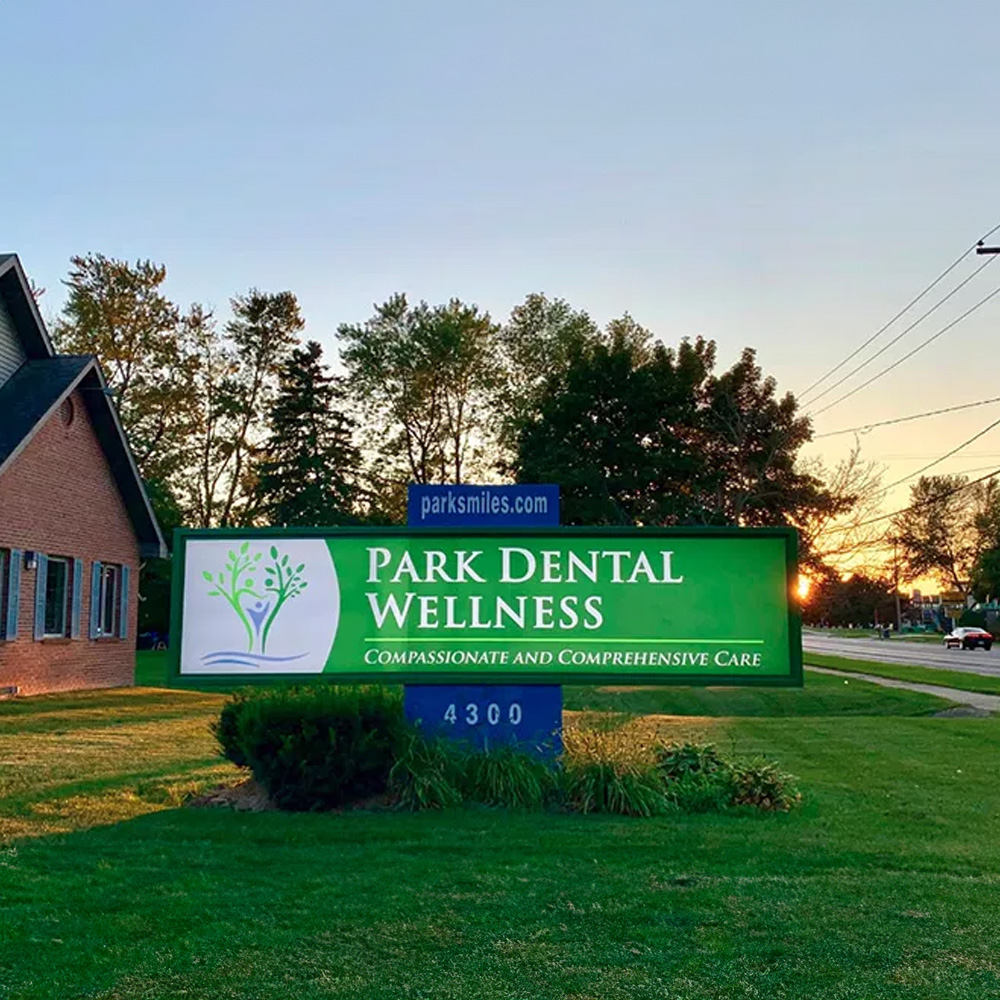
At Park Dental Wellness, reaching us is simple. Whether you have questions about treatments or are ready to schedule your next visit, our friendly team is here to guide you every step of the way. Call, email, or use our convenient online form—we’ll make sure your experience is easy, comfortable, and tailored to your needs.
Start your journey to a healthier, more confident smile today!