Not every toothache or mouth sore is an emergency, but some oral conditions require prompt attention to prevent lasting damage or systemic complications. Severe, unrelenting pain, active bleeding that won’t stop, a tooth that has been knocked out, or rapidly spreading swelling around the face or neck are signs that you should seek professional evaluation without delay. These situations can progress quickly and may affect breathing, swallowing, or general health if left untreated.
Other urgent indicators include persistent fever with oral pain, a bad-tasting discharge suggesting an abscess, or trauma that leaves teeth loose or misaligned. Even when symptoms start mild, a sudden change — like increasing pain, growing swelling, or difficulty opening the mouth — is reason enough to contact an emergency dental provider. Recognizing the difference between urgent and routine dental issues helps you take appropriate action faster.
Being prepared mentally for what constitutes an emergency reduces anxiety when an issue occurs. If you’re unsure whether your situation is urgent, err on the side of caution: call your dental office or an emergency dentist for guidance. Quick triage and timely care can preserve natural teeth, reduce the risk of infection, and limit the need for more invasive treatment later.
When a dental emergency happens, the first priorities are controlling pain, minimizing bleeding, and preventing further injury. For bleeding, apply gentle pressure with clean gauze or a damp cloth and keep your head elevated. Cold compresses applied to the outside of the cheek can help reduce swelling and numb discomfort. Avoid applying heat to an area with active bleeding or infection.
If a permanent tooth has been completely knocked out, handle it carefully by the crown — not the root — and rinse off visible dirt with plain water if necessary. Whenever possible, try to reposition the tooth into its socket and hold it in place, or store it in milk or a tooth-preservation solution until you reach the dentist. Time is critical for reimplantation, so rapid action improves the chance of saving the natural tooth.
For a broken tooth or lost filling, collect any fragments and rinse your mouth gently. Over-the-counter pain relievers and temporary dental materials (available at many pharmacies) can provide short-term relief, but they are only stopgaps. Avoid chewing on the affected side and keep the area clean with careful rinsing. Do not place aspirin directly on the gums or tooth, as this can irritate soft tissues.
Emergency dental visits typically begin with a focused assessment to identify the source and severity of the problem. The dentist will review your symptoms, medical history, and any medications you take, followed by an oral exam and, when appropriate, x-rays to evaluate tooth structure and bone. This quick diagnostic process helps prioritize treatment and identify any immediate risks to overall health.
Initial treatment is often aimed at stabilizing the situation: stopping bleeding, draining an abscess if necessary, controlling infection, and providing pain relief. Depending on the findings, care may include temporary restorations, splinting loose teeth, suturing soft-tissue injuries, or prescribing antibiotics when an infection is suspected. The goal of this phase is to make you comfortable and prevent the problem from worsening.
Once the urgent issue is managed, your dentist will outline next steps for definitive care. That plan may involve restorative procedures like fillings or crowns, endodontic therapy (root canal) to save an infected tooth, or extraction when a tooth cannot be preserved. If further specialist input is needed — for example, oral surgery or periodontal care — your dental team will coordinate referrals and follow-up to ensure a smooth transition.
Dental emergencies take many forms, and knowing which problems are commonly treated can help you recognize when to seek care. We regularly manage acute tooth pain caused by decay or pulp inflammation, fractured or chipped teeth after trauma, and dental infections that produce swelling or pus. These cases often require prompt intervention to prevent spread and preserve oral function.
Treatment depends on the diagnosis: some cases are resolved with conservative measures and short-term restorations, while others require root canal therapy, surgical intervention, or extractions. Soft-tissue injuries often need sutures or careful cleaning to heal properly. In every instance, the emphasis is on relieving pain, eliminating infection, and preserving oral health.
Prompt attention also helps identify potentially serious conditions that can mimic dental pain, such as referred pain from the sinuses, temporomandibular joint disorders, or systemic infections. A thorough clinical exam ensures that treatment addresses the correct cause and reduces the likelihood of complications.
After an emergency has been stabilized, the next phase focuses on restoring form and function. Restorative options include direct fillings or bonding for minor damage, crowns to rebuild and protect compromised teeth, and root canal therapy when the tooth’s nerve is involved. When a tooth cannot be saved, extraction followed by a replacement plan helps restore chewing ability and aesthetic balance.
Modern tooth replacement choices range from fixed bridges and removable prostheses to dental implants, which recreate both the visible tooth and the supporting root structure. Your dentist will discuss the pros and cons of each option based on your oral health, available bone, and long-term goals. The objective is to choose an approach that provides reliable function and maintains your overall oral wellness.
Recovery timelines vary: soft-tissue repairs and simple restorations typically resolve in days to weeks, while procedures such as implants or extensive rehabilitative care may require staged treatment over months. During recovery, follow post-treatment instructions closely — maintain oral hygiene, take prescribed medications as directed, and attend follow-up appointments to monitor healing and adjust care as needed.
Prevention is equally important. Regular dental visits, protective night guards for bruxism, and prompt treatment of early decay reduce the risk of future emergencies. Education about safe habits during sports, timely attention to small chips or loose restorations, and routine monitoring of wisdom teeth can all lower the chance of an urgent situation developing.
At Park Dental Wellness, our team approaches emergency care with urgency, skill, and compassion, focusing on rapid relief and thoughtful long-term planning. If you have questions about what constitutes an emergency or need guidance after a dental injury, please contact us for more information and assistance.


Not every toothache or mouth sore represents an emergency. Severe, unrelenting pain, active bleeding that will not stop, a tooth that has been knocked out, or rapidly spreading swelling around the face or neck are signs that require immediate attention. These conditions can affect breathing, swallowing, or general health if left untreated.
Other urgent indicators include persistent fever with oral pain, foul-tasting discharge suggesting an abscess, sudden loosening of teeth after trauma, or rapidly worsening symptoms such as increasing pain or difficulty opening the mouth. When symptoms change quickly or worsen, err on the side of caution and seek prompt evaluation. Early triage preserves natural teeth and lowers the risk of systemic infection.
Time is the most important factor when a permanent tooth is avulsed. Handle the tooth by the crown only, avoid touching the root, and rinse gently with plain water if it is dirty. If possible, reposition the tooth into the socket and hold it in place; otherwise store it in milk or a tooth-preservation solution and get to a dentist as quickly as possible.
If reinsertion is not feasible, keep the tooth moist and bring it with you to the appointment rather than wrapping it in tissues that can dry it out. Do not scrub the root or use disinfectants, and avoid touching soft tissue with the tooth. Contact an emergency dental provider immediately for instruction and prompt care to improve the chance of successful reimplantation.
To control bleeding, apply gentle but firm pressure with clean gauze or a damp cloth directly to the site and keep your head elevated. Maintain pressure for 10 to 20 minutes without repeatedly checking the wound to allow clot formation. Avoid spitting, rinsing vigorously, or using straws, as these actions can dislodge a forming clot and prolong bleeding.
Reduce swelling and pain by applying a cold compress to the outside of the cheek for 10 to 20 minutes at a time with breaks in between. Do not apply heat to areas with active bleeding or suspected infection, since heat can increase blood flow and swelling. If bleeding or swelling persists or you experience difficulty breathing or swallowing, seek immediate professional care.
Most dental emergencies are treated in a dental office, but go to the emergency room for conditions that threaten life or airway. Seek ER care for progressive facial swelling that compromises breathing or swallowing, uncontrolled bleeding that does not respond to pressure, or signs of sepsis such as high fever, rapid heartbeat, or confusion. The emergency room can stabilize medical emergencies and arrange urgent transfer to dental or surgical specialists when required.
For dental pain or non-life-threatening injuries, contacting your dentist or an after-hours dental service is usually the best first step. If you present to the ER for a dental problem, bring any avulsed teeth or fragments and a list of medications. The ER team may provide antibiotics, pain control, and airway management while arranging definitive dental care with your dentist.
An emergency dental visit begins with a focused medical history and clinical exam to identify the source and severity of the problem. The dentist will examine soft tissues and teeth, take x-rays when appropriate, and assess any risks to breathing, swallowing, or general health. Initial care focuses on stabilizing the situation by controlling pain, stopping bleeding, and managing suspected infection.
Treatments provided during the visit may include temporary restorations, draining an abscess, splinting loose teeth, suturing soft-tissue injuries, or prescribing antibiotics and analgesics. The dentist will then outline a plan for definitive care such as root canal therapy, crowns, or extraction if preservation is not possible. If specialist input is needed, the dental team will coordinate referrals and follow-up to ensure a smooth transition of care.
Many teeth with severe pain or infection can be saved with prompt diagnosis and appropriate treatment, especially when the infection is limited to the tooth or its supporting bone. Root canal therapy removes infected tissue from inside the tooth and, when combined with a protective restoration, often preserves the tooth for long-term function. Early intervention improves prognosis and reduces the likelihood that extraction will be necessary.
However, some teeth are too compromised by fracture, extensive decay, or bone loss and may require extraction for health and safety. When extraction is indicated, your dentist will discuss replacement options such as bridges, removable prostheses, or implants. The chosen plan will reflect your overall oral health, functional needs, and long-term goals.
A dental abscess is a localized infection and should be evaluated promptly once symptoms such as severe localized pain, swelling, fever, or a draining sinus appear. Infections can spread quickly to adjacent tissues and into the bloodstream, so timely dental assessment and treatment are important to limit complications. Early management typically involves drainage, antibiotics when indicated, and definitive restorative care to remove the source of infection.
If you notice rapidly increasing facial swelling, difficulty breathing or swallowing, or persistent high fever, seek emergency medical care immediately. Otherwise, contact your dental office for triage and same-day or next-day treatment. Avoid attempting to drain an abscess yourself and do not apply heat that could encourage spread of infection.
Save any broken fragments and rinse the mouth gently with warm water to remove debris, taking care not to swallow fragments. Apply a cold compress to the cheek to reduce swelling and use over-the-counter analgesics as directed to control pain. Avoid chewing on the affected side and maintain good oral hygiene with careful rinsing to reduce bacterial load.
Minor chips can often be restored with bonding or a filling, while larger fractures may require a crown or root canal if the pulp is involved. The dentist will evaluate the tooth clinically and with x-rays to determine the appropriate restorative approach and timing. Prompt attention prevents further damage and helps restore both function and appearance.
When urgent treatment is completed, the team at Park Dental Wellness will outline a clear plan for definitive care and schedule follow-up appointments as needed. If specialty services such as oral surgery, endodontics, or periodontal care are indicated, the office will provide referrals and collaborate with the specialist to ensure continuity and communication. Timely handoffs and shared information reduce delays and improve healing outcomes.
Follow-up visits allow monitoring of healing, adjustment of medications, and completion of restorative procedures. Your dental team will also provide specific home-care instructions and discuss preventive measures to reduce recurrence. If new or worsening symptoms develop between visits, contact the practice promptly for reassessment.
Regular dental exams and cleanings identify early decay, loose restorations, and other conditions before they become urgent problems. Wearing a properly fitted mouthguard for sports and a nightguard for bruxism helps prevent traumatic and wear-related damage to teeth. Timely treatment of small chips, loose fillings, and problematic wisdom teeth also reduces the likelihood of emergency situations.
Good daily oral hygiene, avoiding hard or sticky foods, and following your dentist's care recommendations will further protect teeth and restorations. Educating family members about first-aid steps for dental injuries and knowing how to access after-hours care makes emergencies easier to manage. These proactive measures support long-term oral health and decrease the need for urgent interventions.
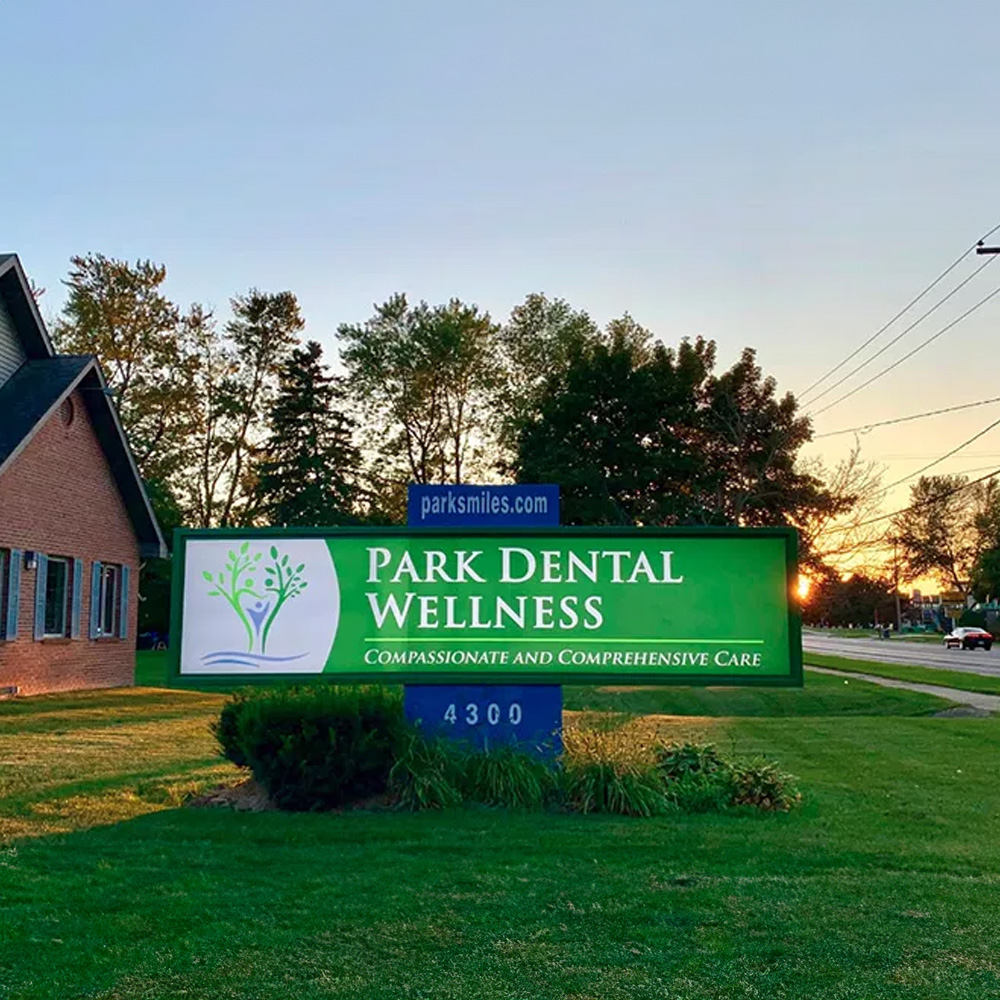
At Park Dental Wellness, reaching us is simple. Whether you have questions about treatments or are ready to schedule your next visit, our friendly team is here to guide you every step of the way. Call, email, or use our convenient online form—we’ll make sure your experience is easy, comfortable, and tailored to your needs.
Start your journey to a healthier, more confident smile today!