
Advances in dental materials and laboratory techniques have given dentists more ways than ever to replace missing teeth with results that look natural and function well. While dental implants and bridgework remain important options for many patients, removable dentures continue to be a dependable choice for restoring a complete, confident smile.
At the office of Park Dental Wellness, we craft dentures using high-quality materials and a careful, patient-centered approach. Our goal is to deliver prosthetics that not only restore chewing and speech but also support facial contours and a pleasing, natural appearance.
We focus on tailored solutions that respect each person's oral health, daily habits, and goals. Whether you need to replace a few teeth or an entire arch, we work with you to choose the approach that best balances comfort, function, and long-term oral wellness.
Losing one or more teeth affects more than your appearance. Gaps in your dental arch can change the way you bite, shift the position of remaining teeth, and make it harder to chew a varied, nutritious diet. Over time, these changes can influence the overall health of your mouth and the way your face is supported.
Beyond physical effects, missing teeth can influence confidence and social interactions. Many people alter their speaking habits or avoid certain foods, which can reduce quality of life. Addressing tooth loss restores not just function but also helps people feel more comfortable in everyday situations.
Timely replacement of missing teeth also helps protect the long-term health of the mouth. Restorations like partial and full dentures can prevent adjacent teeth from drifting, preserve the bite relationship, and give the soft tissues the support they need to maintain a balanced facial profile.
Dentures are removable prosthetic devices that replace the visible portion of missing teeth and the supportive base beneath them. They are composed of artificial teeth set into a base designed to fit the contours of the gums. The base supports chewing forces, helps with speech, and restores the appearance of a complete dentition.
Because dentures are removable, they allow for regular cleaning of both the prosthesis and the underlying tissues. This accessibility can make daily hygiene easier in some situations and allows for periodic professional maintenance to keep the appliance functioning well over time.
Modern denture teeth and base materials are designed to mimic the translucency and color of natural teeth while offering strength for everyday use. With careful planning and fit, dentures can provide comfortable function and a very natural appearance.

Selecting a denture starts with a thorough evaluation of your oral health, the condition of any remaining teeth, and the shape of the jawbones and soft tissues. Our team assesses these factors to recommend a solution that meets your functional needs and aesthetic preferences.
Removable dentures generally fall into two broad categories: full (complete) dentures and partial dentures. Full dentures replace all of the teeth in an arch, while partial dentures fill one or more gaps when some natural teeth remain. The best choice depends on the number and condition of existing teeth, bone support, and personal goals for comfort and maintenance.
We also consider hybrid approaches that combine dentures with fixed supports. When stability is a primary concern, attachments or implants can be used to retain a denture and improve chewing efficiency and confidence. Your care plan may include options designed to make daily life easier while protecting underlying oral tissues.
Complete dentures replace all of the teeth in an upper or lower arch. Their design focuses on achieving a stable fit against the gum tissues, carefully balancing aesthetics, lip support, and bite relationships so the denture looks natural and performs well.
A conventional full denture is fabricated after extractions and healing are complete, which often results in a more precise fit. An immediate denture, by contrast, is placed at the time of extractions so the patient does not go without teeth during healing; these may require adjustments or a reline as tissues change shape.
Overdentures
An overdenture gains extra stability by attaching to remaining tooth roots or specially placed dental implants. That added support can improve retention and chewing efficiency while still allowing the denture to be removed for cleaning.
Implant-supported dentures
These prostheses connect to a small number of strategically placed implants in the jaw. The implants act as reliable anchors, reducing movement and giving the wearer increased confidence when speaking and eating.
Partial dentures are custom-designed to replace one or several missing teeth while preserving healthy adjacent teeth. They may use clasps or precision attachments to gain retention from remaining teeth and are engineered to blend with the natural dentition.
A well-designed partial denture not only restores the smile but also helps maintain the position of surrounding teeth and protects the overall bite. Materials and frameworks vary, offering different balances of strength, translucency, and comfort.
At our practice we focus on thoughtful design and careful fit so that partial dentures support long-term oral health and integrate smoothly into each patient’s daily routine.
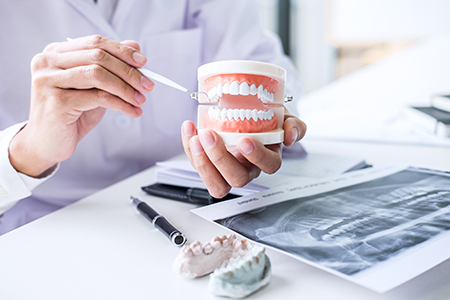
Creating a successful denture begins with precise diagnostics and a clear understanding of how your mouth functions. We take impressions, evaluate bite relationships, and use visual and tactile assessments to choose tooth shapes and positions that will work with your facial features and speech.
The laboratory process is equally important: teeth are set in the base, trial fittings are used to verify comfort and occlusion, and careful adjustments help achieve a natural look. Your input about shade, tooth form, and how the denture feels is an essential part of this collaborative process.
Occasionally, preparatory procedures are recommended to improve fit and long-term success. These might include finishing extractions, minor soft-tissue adjustments, or other treatments to create a healthy foundation for the prosthesis.
Once the denture is in place, follow-up appointments allow us to make refinements and address any pressure points so you can enjoy the best possible fit and function from day one.

Adjusting to a new denture is a gradual process. Initially, the appliance may feel bulky or change the way you speak. These sensations typically diminish over days to weeks as your tongue and facial muscles adapt. Regular short practice—reading aloud or speaking slowly—can accelerate comfort.
Chewing with a new denture requires patience. Start with soft, well-cooked foods and bite evenly with both sides of the mouth. Avoid sharp or hard items until you feel confident. Over time, many people regain a broad range of eating choices as the denture becomes more comfortable and stable.
Oral hygiene remains essential. Clean your denture daily with a brush designed for prosthetics and rinse after meals. Gently brush any remaining natural teeth and the gums to maintain tissue health. When not worn, dentures should be stored in water or a recommended soaking solution to prevent warping and to control bacteria.
Follow-up visits are important to monitor fit and oral health. As jawbone and gum tissues change with age and use, relines or adjustments may be recommended to maintain comfort and function. If you experience persistent soreness, difficulty speaking, or loosening, contact us so we can evaluate and address the issue.
At the office of Park Dental Wellness, we are committed to helping you find a denture solution that restores comfort, function, and confidence. If you have questions about denture options or would like to learn more about the process, please contact us for additional information and guidance.


Dentures are removable prosthetic appliances designed to replace missing teeth and the surrounding tissues. They consist of artificial teeth set into a base that fits over the gums and, when properly made, restores basic chewing function. Dentures can replace a few teeth or an entire dental arch depending on the design.
Modern dentures use durable materials that mimic the shape, color and translucency of natural teeth. Because they are removable, dentures allow for thorough daily cleaning of both the appliance and the oral tissues beneath it. Well-fitting dentures also help maintain facial contours and support clearer speech.
Dentures fall into several common categories, each suited to different needs. A complete denture replaces all teeth in the upper or lower arch, while a partial denture fills the space created by one or more missing teeth and gains retention from remaining teeth. Other variations include immediate dentures placed at the time of extractions and conventional dentures made after healing.
For added stability, overdentures attach to natural roots or dental implants, and implant-supported dentures connect to implants for increased retention. Material choices range from conventional acrylic bases and resin teeth to stronger denture teeth and flexible base options, and selections are made to balance comfort, longevity and appearance. Your dental team will recommend the type that best meets your functional goals and oral health conditions.
Candidacy for dentures depends on oral health, bone support and the condition of any remaining teeth. Patients with multiple missing teeth, advanced decay or compromised tooth support may be directed toward full or partial denture solutions. Medical history, medications and conditions that affect healing are also considered during treatment planning.
During a consultation, clinicians evaluate bite relationships, soft tissues and jaw shape to determine the most predictable option for long-term success. Alternatives such as fixed bridgework or implant-based replacements may be discussed when appropriate, but the final recommendation prioritizes function, hygiene and patient preferences. A careful exam helps set realistic expectations for fit, maintenance and adaptation.
Conventional dentures rely on suction and the natural contours of the mouth for retention, and they are fully removable for cleaning. Overdentures and implant-supported prostheses add anchorage by attaching to natural roots or dental implants, reducing movement and improving chewing efficiency. The increased stability of supported dentures often enhances confidence when speaking and eating.
Implant attachments can be bar-retained, ball-retained or use other precision connectors depending on the clinical design. While implant-supported options provide superior retention, they require adequate bone and a surgical phase for implant placement and healing. Deciding between a conventional and a supported denture is individualized and based on health, anatomy and the patient's daily needs.
The denture process begins with a thorough diagnostic evaluation that includes impressions, bite records and an assessment of oral tissues. Wax try-ins and temporary setups allow evaluation of tooth position, chew relationships and facial support before the final prosthesis is processed. At Park Dental Wellness, we emphasize patient input during these steps so the final denture reflects both functional requirements and aesthetic goals.
Occasionally preparatory procedures such as extractions or minor tissue reshaping are recommended to provide a stable foundation for the denture. Once the denture is fabricated, careful adjustments and follow-up visits ensure pressure points are resolved and occlusion is balanced. Proper communication between the laboratory, clinician and patient is essential to achieve a comfortable, long-lasting result.
Daily cleaning of dentures prevents staining and bacterial buildup and helps protect the tissues of the mouth. Clean your denture with a soft denture brush and a nonabrasive cleaner, rinse after meals and soak overnight in water or a recommended solution to maintain shape and hygiene. Avoid hot water and abrasive household cleaners that can warp or damage the appliance.
It is also important to brush remaining natural teeth, gums and tongue to maintain overall oral health and reduce irritation under the denture. Regular professional examinations and cleanings allow the dentist to assess tissue health, check fit and perform adjustments or laboratory relines as needed. Proper maintenance helps extend the functional life of the prosthesis and supports comfort.
Adjusting to new dentures typically takes several days to weeks as the muscles of the mouth and tongue learn to accommodate the appliance. Patients often notice changes in speech and saliva control at first; practicing speaking slowly and reading aloud can accelerate adaptation. Starting with soft, easy-to-chew foods and cutting items into small pieces reduces frustration while chewing skills improve.
Some soreness or minor irritation is common early on and usually resolves after professional adjustments. Persistent pain, persistent difficulty eating or loosening should be reported so the fit can be evaluated and corrected. With patience and follow-up care most people regain confidence and function within a few weeks.
Common denture problems include sore spots, looseness, difficulty chewing certain foods and changes in fit as the jawbone resorbs over time. Staining, odor and wear of the denture teeth can also occur without proper hygiene and maintenance. Timely professional attention is important to prevent small issues from becoming more serious.
Dentists can relieve pressure points, reline or adjust the base, repair fractures and recommend alternative retention strategies such as attachments or implants when appropriate. At-home fixes and over-the-counter adhesives may help temporarily but should not replace clinical evaluation and repairs. Regular checkups help catch developing problems early and preserve comfort and function.
Denture checkups are important to confirm fit, inspect oral tissues and make adjustments as needed. Many patients benefit from an initial follow-up within days of delivery and periodic reviews thereafter to track fit and tissue changes. Relines, rebasing and repairs are common services that restore proper adaptation as the mouth changes.
The frequency of professional maintenance varies with factors like bone density, tissue health and daily wear patterns, so care plans are individualized. At Park Dental Wellness, we schedule ongoing reviews to ensure the prosthesis remains comfortable and functional and to address any concerns early. Maintaining regular appointments helps avoid extensive repairs and supports oral health over time.
Dentures can restore the ability to eat a varied diet, speak more clearly and support facial tissues that help preserve a natural profile. While adaptation is required, well-fitting dentures enable many patients to return to most normal activities of daily life. Clinicians can suggest gradual diet progression and exercises to support speech and chewing retraining.
Because dentures affect bite relationships and soft-tissue support, routine monitoring helps ensure nutrition and speech are optimized and that facial contours remain balanced. If difficulties persist, alternative designs or supportive options such as implant-retained dentures can be considered to improve function. A comprehensive treatment plan focuses on the patient's quality of life while maintaining oral health.
At Park Dental Wellness, reaching us is simple. Whether you have questions about treatments or are ready to schedule your next visit, our friendly team is here to guide you every step of the way. Call, email, or use our convenient online form—we’ll make sure your experience is easy, comfortable, and tailored to your needs.
Start your journey to a healthier, more confident smile today!

