

When a tooth is weakened by decay or minor damage, a filling restores its form so the tooth can function comfortably again. A well-placed restoration seals out bacteria, rebuilds chewing surfaces, and helps prevent further breakdown of tooth structure. The goal is to preserve as much natural tooth as possible while returning the tooth to reliable use.
Fillings are one of the most common restorative treatments performed in general dentistry because cavities remain a frequent concern across all ages. Although the procedure itself is routine, success depends on precise diagnosis, careful removal of decay, and the use of materials and techniques that match each patient's needs and expectations.
At the office of Park Dental Wellness, we emphasize minimally invasive approaches that conserve enamel and dentin when possible. That philosophy supports long-term oral health: a conservative filling placed with attention to detail can delay or eliminate the need for more extensive care later on.
Attempts to repair and replace damaged teeth go back thousands of years, with archaeological finds showing early cultures experimenting with a variety of materials. These ancient efforts demonstrate a consistent human desire to relieve pain and restore function—even when modern materials and techniques were not available.
Technological progress in the 19th and 20th centuries introduced durable metal restorations such as gold and amalgam, which offered longevity and strength for posterior teeth. Those advances represented meaningful improvements in patient care at the time and remain relevant in certain clinical scenarios today.
Over recent decades, material science and adhesive dentistry have shifted the focus toward restorations that are both functional and aesthetic. Advances in bonding agents, composite resins, ceramics, and cements allow clinicians to match the look of natural teeth while maintaining durable repairs tailored to each patient's bite and lifestyle.
Restoration is more than filling a hole; it is about restoring health, comfort, and long-term function. Our team evaluates each tooth in the context of the whole mouth—bite patterns, neighboring teeth, and patient goals all factor into the recommended plan of care.
We discuss the strengths and limitations of the materials suitable for your situation and explain how each choice affects longevity, appearance, and tooth preparation. Wherever possible, we favor techniques that conserve healthy tooth structure and promote a stable oral environment.
Patient comfort and clear communication are central to our process. We take the time to answer questions and outline what to expect before, during, and after treatment so you can make informed choices about your care.

There is no single "best" filling material for every situation. The ideal choice depends on the location of the tooth, the size of the cavity, aesthetic goals, and how the tooth is used during chewing. Posterior teeth require materials that withstand heavy forces, while front teeth often prioritize natural appearance.
Contemporary restorative dentistry offers a palette ranging from tooth-colored composites to high-strength ceramics and traditional metallic options. Each category has trade-offs: some excel at aesthetics but require more care, while others offer exceptional durability with less concern about staining or wear.
Part of the treatment discussion includes how a material bonds to tooth structure, how it tolerates thermal changes, and what maintenance is recommended. Understanding these practical differences helps set realistic expectations and supports restorations that perform well for many years.
Composite resin combines a polymer matrix with glass or ceramic fillers and is designed to mimic tooth color and translucency. Because composites bond to the tooth, they can often be used conservatively—preserving more natural structure than some traditional options.
They are versatile and commonly used in both front and back teeth. With appropriate polishing and care, composites provide an attractive, functional restoration; however, they can be more susceptible to staining and may require eventual replacement depending on wear and oral habits.
Amalgam has a long history of reliable service in dental practice. It is highly durable and resistant to fracture under heavy chewing forces, making it well suited for large cavities in molars. While it is not tooth-colored, amalgam remains a durable choice in select situations where strength and longevity are primary concerns.
Glass ionomer materials chemically bond to tooth structure and release low levels of fluoride over time, which can be beneficial in patients at high risk for decay. They are frequently used for pediatric restorations, small repairs near the gumline, and as temporary materials during multi-step treatments.
Although not as wear-resistant as some other options, glass ionomers are valued for their adhesion and protective properties in specific clinical contexts.
Ceramic restorations are fabricated outside the mouth—typically in a dental laboratory or using in-office milling systems—and then bonded to the prepared tooth. They offer excellent aesthetics and wear resistance and are a conservative alternative to full crowns for moderate damage.
Because ceramics can be color-matched and resist staining, they are an excellent solution when long-term appearance and strength are priorities.
Gold is a time-tested restorative material prized for its durability, fit, and biocompatibility. While less commonly chosen today due to its metallic appearance and cost, gold remains a high-performing option for certain posterior restorations where longevity and tissue friendliness matter most.
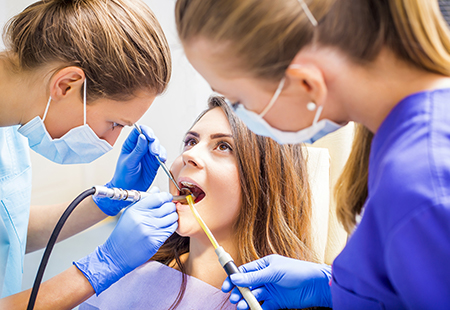
A successful filling begins with an accurate diagnosis. That includes a clinical exam, appropriate radiographs, and a discussion about symptoms you may have noticed—sensitivity, intermittent discomfort, or difficulty chewing can all inform the treatment plan.
Once decay is identified and a plan is agreed upon, the procedure typically involves isolating the tooth, gently removing damaged tissue, and preparing the surface to receive the chosen material. Local anesthetic is used when needed so that the procedure is comfortable for most patients.
The specific placement steps vary with the material chosen: direct restorations such as composite or glass ionomer are built and set in the mouth, while indirect options like ceramic inlays may require impressions or digital scans and a second appointment for final bonding. Throughout the visit, adjustments are made to ensure bite comfort and smooth contours.

Following placement, it's normal for a tooth to feel slightly different as your mouth adapts to the new shape. Minor sensitivity to temperature or pressure may occur for a few days; this typically resolves without intervention. If sensations persist or worsen, it is important to have the tooth re-evaluated.
Protecting a new restoration means maintaining excellent oral hygiene, managing habits that increase wear (such as grinding or using teeth as tools), and attending regular dental checkups. Professional exams allow the dentist to monitor margins, check for early signs of wear or leakage, and recommend interventions when appropriate.
When restorations are placed thoughtfully and cared for responsibly, they can last many years. In some situations, additional treatment—such as replacement, repair, or an alternative restorative approach—may become the best option as needs change over time.
Dental fillings are a fundamental tool for preserving tooth health and function. Advances in materials and adhesive techniques give clinicians and patients more choices than ever to balance durability, appearance, and conservation of natural tooth structure.
If you have questions about a specific tooth, are experiencing sensitivity, or want a review of treatment options, contact Park Dental Wellness for a personalized consultation. Our team can explain the choices that best fit your dental needs and help you make informed decisions about your care.
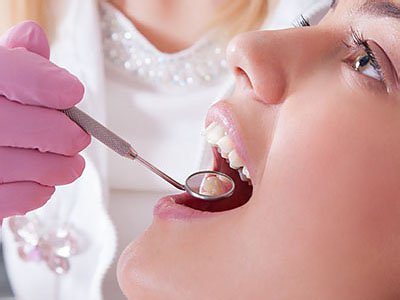

Dental fillings are restorations placed to repair teeth that have been weakened by decay or minor damage so the tooth can function comfortably and resist further breakdown. They seal the treated area to keep bacteria out, rebuild chewing surfaces and restore the tooth's normal shape and strength. The overarching goal is to conserve as much natural tooth structure as possible while returning the tooth to reliable use.
Fillings are one of the most common restorative procedures in general dentistry because cavities remain a frequent concern across ages and lifestyles. Although the treatment is routine, predictable outcomes depend on accurate diagnosis, careful removal of decay and the selection of appropriate materials and techniques. Patient communication and a tailored plan help ensure the restoration addresses both function and appearance.
Contemporary dentistry offers several material categories including tooth-colored composite resins, glass ionomer cements, ceramic inlays and traditional metallic options such as amalgam and gold. Each material has trade-offs: composites and ceramics prioritize aesthetics and bonding, glass ionomers provide adhesion and fluoride release, while metallic options offer proven durability for heavy chewing surfaces. The right choice depends on the tooth's location, the size of the defect and the patient's functional and cosmetic priorities.
Materials also differ in how they bond to the tooth, tolerate temperature changes and resist wear or staining over time. Understanding these practical differences helps set realistic expectations about longevity, maintenance and appearance. Your dentist will explain the strengths and limitations of each option for your specific situation.
Dentists evaluate each tooth within the context of the whole mouth, considering bite forces, neighboring teeth, the extent of decay and the patient's goals for appearance and function. Diagnostic tools include a clinical exam, appropriate radiographs and, when needed, digital scans to assess the size and location of the lesion and the remaining tooth structure. This comprehensive view guides a recommendation that balances conservation of tooth tissue with long-term performance.
Other factors that inform the decision include oral habits such as grinding, expected longevity requirements and any medical or developmental considerations. Where possible, conservative options that bond to the tooth and preserve enamel and dentin are favored to postpone or avoid more extensive treatment. The dentist will review alternatives and explain how each choice affects preparation, maintenance and outcomes.
A filling visit typically begins with a review of symptoms and diagnostic images to confirm the diagnosis and finalize the treatment plan. The tooth is isolated, decay is gently removed and the surface is prepared to receive the chosen material; local anesthetic is administered when needed to ensure comfort. Direct restorations such as composite or glass ionomer are placed and shaped in the mouth, while indirect restorations like ceramic inlays may require impressions or digital scans and a follow-up visit for final bonding.
Throughout the procedure, the dental team checks the fit and bite to make adjustments that ensure comfortable chewing and smooth contours. Patients can expect communication about each step and instructions for short-term care after the appointment. Clear explanations and attention to detail help reduce surprises and support predictable results.
Most patients experience little to no pain during a modern filling procedure because local anesthesia is used as needed to numb the area before any dental work begins. The preparation and placement are then performed while the tooth is comfortable, and many patients report only mild pressure or vibration. For those with dental anxiety, the team will discuss comfort measures and techniques to make the visit more relaxed.
It is common to feel slight sensitivity to temperature or biting for a few days after a filling as surrounding tissues settle and the tooth adapts to its new contour. This sensation typically decreases without intervention, but if sharp pain, prolonged sensitivity or swelling occurs, the tooth should be re-evaluated to make sure the restoration is functioning correctly. Prompt communication with the dental office helps address uncommon post-treatment issues quickly.
Protecting a new restoration starts with excellent daily oral hygiene: brushing twice, flossing daily and limiting behaviors that increase wear, such as using teeth as tools. Avoiding or managing parafunctional habits like grinding helps reduce stress on the filling and surrounding tooth structure. Regular professional cleanings and exams allow the dentist to monitor margins and detect early signs of wear, leakage or secondary decay.
Over time, all restorations require periodic assessment and sometimes maintenance to remain effective. Small repairs or refinishing can extend the life of a restoration, while larger changes may warrant replacement or alternative treatment. Keeping scheduled checkups and discussing any new symptoms promptly supports long-term success.
The longevity of a filling is influenced by the material chosen, the size and location of the restoration, the patient's bite and oral habits. Well-placed restorations that are cared for responsibly can last many years, but factors such as heavy chewing forces, bruxism, poor oral hygiene and recurrent decay can accelerate wear or failure. Material choice also matters: some options prioritize aesthetics and may stain or wear sooner, while others emphasize strength and wear resistance.
Regular evaluations let the dentist identify early changes at the margins or occlusal surface that signal repair or replacement may be beneficial. Timely intervention often allows for conservative management before more extensive treatment becomes necessary. Discussing realistic expectations for lifespan during treatment planning helps patients understand maintenance needs.
Minor issues such as small chips, surface wear or marginal staining can sometimes be repaired conservatively without removing the entire restoration. Repairability depends on the material, the extent of the defect and the condition of the surrounding tooth structure. When bonding is possible, a repair can be a minimally invasive way to extend service and preserve tooth tissue.
However, if decay recurs beneath a filling, the restoration is fractured, or too much tooth structure has been lost, replacement or a more extensive restoration like an onlay or crown may be recommended. Your dentist will assess the situation and explain the options that best preserve function and long-term oral health.
Children's restorations are selected with growth, eruption patterns and behavior in mind, and materials such as glass ionomer cements are often used for their adhesive properties and fluoride release. The size of the cavity, cooperation level and risk of future decay influence whether a direct restoration or interim material is appropriate. Pediatric-focused techniques and gentle behavior management help make the procedure comfortable and efficient for young patients.
Preventive strategies tailored to children, including dietary guidance, fluoride use and sealants where indicated, help reduce the need for repeated restorative work. When a filling is placed, follow-up evaluations track eruption and the integrity of the restoration as the child grows. Clear communication with caregivers ensures consistent home care and early detection of any problems.
You should contact the dental office if you experience persistent or worsening pain, prolonged sensitivity to hot or cold, a feeling that the bite is uneven or if you notice swelling, discharge or a crack in the tooth. These signs can indicate that the restoration needs adjustment or that underlying issues require further treatment. Prompt evaluation helps prevent minor concerns from becoming more significant problems.
If you simply have routine questions about what you ate after the appointment or how long mild sensitivity may last, calling for clarification can provide reassurance and specific instructions. For urgent symptoms, reaching out promptly allows the team to triage and schedule an appropriate follow-up so the tooth can be assessed and treated as needed.
At Park Dental Wellness the emphasis is on minimally invasive techniques that conserve enamel and dentin while restoring comfort, function and appearance whenever possible. Treatment planning considers the entire mouth, including bite relationships, neighboring teeth and the patient's goals, so that restorations support long-term oral health rather than offering a short-term fix. Clear communication and patient education are central to deciding which materials and procedures best match clinical needs.
The team uses modern diagnostic tools and adhesive technologies to place restorations that are both durable and aesthetic when appropriate. Where repair or conservative options can delay more extensive care, they are prioritized, and patients are given straightforward guidance on aftercare and monitoring. This approach helps patients make informed choices aligned with their oral health objectives.
At Park Dental Wellness, reaching us is simple. Whether you have questions about treatments or are ready to schedule your next visit, our friendly team is here to guide you every step of the way. Call, email, or use our convenient online form—we’ll make sure your experience is easy, comfortable, and tailored to your needs.
Start your journey to a healthier, more confident smile today!
