

CEREC puts the tools of modern restorative dentistry right in the treatment room, letting your clinician complete high-quality ceramic restorations during a single visit. That means fewer appointments, no temporary crowns, and the comfort of leaving with a finished restoration instead of returning for lab-fabricated work. The workflow is streamlined so your time in the chair is productive and predictable.
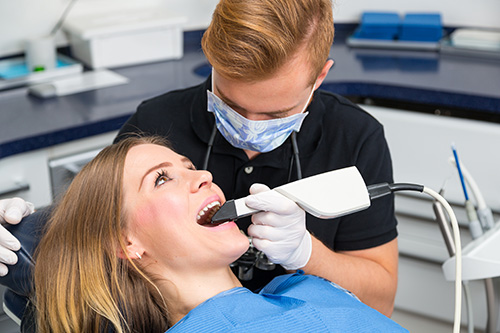
Instead of traditional putty impressions, CEREC uses an ergonomically designed intraoral scanner to capture detailed three-dimensional images of your teeth and bite. The scanning process is quick, comfortable, and avoids the gagging or discomfort some people experience with impression materials. The result is an accurate digital model that becomes the foundation for a precisely-fitting restoration.
A typical session begins with a careful evaluation to confirm that a ceramic restoration is the right option for the tooth in question. The dentist will assess the tooth’s structure, discuss aesthetic goals, and explain how the restoration will be bonded. Preparing the tooth usually involves conservative removal of damaged or decayed material while preserving as much healthy tooth as possible.
Next comes the digital scan. You’ll see the process is far less intrusive than traditional impressions — the scanner is gently moved around the prepared area until a complete digital model is captured. After the scan, the dentist uses CAD software to design the restoration, refining shape and shade to blend with your natural teeth. You may be shown the proposed design and given an opportunity to ask questions before fabrication begins.
While the milling unit fabricates the piece, the team concentrates on finishing touches: color adjustments, polishing, and quality checks. The final restoration is tried in, adjusted if needed, and permanently bonded using contemporary adhesive techniques. Most patients appreciate leaving with a finished restoration that looks natural and requires minimal adjustment in the days that follow.

Ceramic materials used with CEREC are designed for durability and aesthetics. When properly finished and bonded, these restorations resist wear and retain their appearance for many years. Longevity depends on factors like bite forces, oral hygiene, and routine dental care, but modern ceramics have a strong track record when integrated into a comprehensive maintenance plan.
Care for a CEREC crown is straightforward: regular brushing, flossing, and scheduled dental cleanings help protect the restoration and the surrounding teeth. While ceramic is strong, it isn’t indestructible—avoiding habits like biting very hard objects or using teeth as tools will help preserve the restoration. If concerns arise, prompt evaluation can often address minor issues before they become larger problems.
Should a repair or replacement ever be necessary, the digital records created during your initial visit can streamline future work. The practice can reference existing scans and design files, making adjustments or fabricating a new restoration more efficient than starting from scratch.
At the core of a responsible restorative program is a commitment to preserving natural tooth structure. CEREC supports this philosophy by enabling restorations that are precisely designed to conserve enamel and dentin where possible. When paired with careful diagnostics and conservative preparation, same-day ceramics help protect long-term oral health while restoring function and appearance.
Clinicians relying on digital workflows can make more predictable choices about margins, occlusion, and contacts, which reduces the need for repeated adjustments. The result is a more efficient experience for patients and a finished restoration that integrates smoothly with the bite and smile line. Integrating CEREC technology also helps teams deliver consistent results across routine and complex restorative cases.
Park Dental Wellness combines modern digital tools with a patient-centered approach to treatment planning. That means using CEREC when it makes sense for the individual patient, explaining each step in clear terms, and tailoring the restoration to align with both functional needs and aesthetic expectations. The goal is reliable, comfortable care that supports oral health for years to come.
In short, CEREC offers a modern path to durable, natural-looking ceramic restorations delivered in a single appointment. By leveraging digital impressions, CAD/CAM design, and in-office milling, patients can receive precise, esthetic results without the delays associated with traditional lab workflows.
If you’re curious whether same-day ceramic restorations are right for your smile, contact us to learn more or to schedule a consultation. Our team is happy to explain the process and help you make an informed decision about your restorative options.


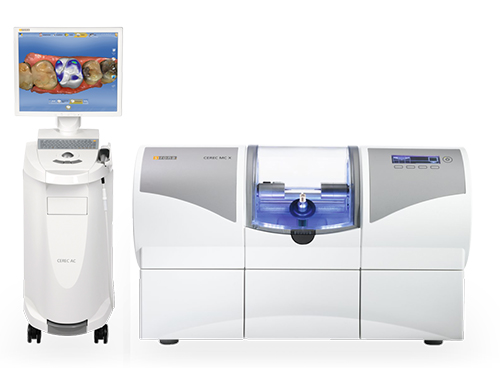
CEREC is a chairside CAD/CAM system that enables dentists to design, mill and place ceramic restorations in a single appointment. It combines an intraoral scanner, design software and a milling unit to convert digital impressions into a physical crown, inlay or onlay. This digital workflow streamlines fabrication while maintaining high precision.
The process begins with a digital scan of the prepared tooth, then the clinician uses CAD software to design the restoration and refine contours and contacts. The design data are sent to an on-site milling unit that carves the restoration from a solid ceramic block, which is then stained, glazed and polished as needed. Finally, the restoration is bonded using contemporary adhesive techniques and checked for occlusion before the patient leaves.
Same-day restorations reduce the need for temporary crowns and additional appointments by completing the process in one visit. That minimizes the time a prepared tooth is exposed and lowers the risk of sensitivity or contamination. Patients also avoid the discomfort associated with traditional impression materials.
Contemporary ceramic blocks offer lifelike translucency and color characteristics that blend with natural enamel, giving esthetic results without metal substructures. The digital workflow enhances fit and reduces adjustments by allowing immediate refinement of margins, occlusion and contacts. Overall, same-day ceramics support efficient, predictable restorative care.
Intraoral scanners produce high-resolution three-dimensional images that capture fine details of teeth and surrounding structures. These digital impressions eliminate distortions associated with tray-based putty and allow immediate review and rescanning of any missed areas. The accurate digital model serves as the foundation for a restoration that fits precisely.
CAD software enables the clinician to evaluate the restoration from multiple angles and make on-the-spot adjustments to contours, contacts and occlusion. Because the design is based on actual digital data rather than physical molds, the transition from virtual model to milled restoration is more predictable. Chairside milling reduces the number of variables that can affect fit compared with lab-fabricated restorations.
A typical CEREC appointment begins with a clinical assessment to confirm the tooth is suitable for a ceramic restoration and to review esthetic goals. The dentist then prepares the tooth conservatively, removing damaged or decayed tissue while preserving healthy structure. A digital scan captures the preparation and surrounding bite, allowing immediate design of the restoration and patient review.
While the milling unit fabricates the restoration, the team completes color characterization, glazing and quality checks to match adjacent teeth. The finished piece is tried in, adjusted if needed, and permanently bonded using adhesive protocols that promote long-term retention. At the office of Park Dental Wellness these steps are coordinated to minimize chair time while maintaining clinical precision.
Modern ceramic materials used with CEREC are engineered for strength, wear resistance and esthetics when properly finished and bonded. Longevity depends on bite forces, oral hygiene, parafunctional habits and routine dental care, but clinical evidence supports long-term performance for many indications. Regular dental checkups help monitor margins and detect early wear or defects.
Daily brushing with a nonabrasive toothpaste, flossing and professional cleanings protect both the restoration and surrounding teeth. Avoiding habits such as biting very hard objects or using teeth as tools reduces the risk of chipping or fracture. If minor concerns arise, prompt evaluation allows conservative repair or adjustment before problems progress.
CEREC systems can fabricate a range of all-ceramic restorations including single crowns, inlays, onlays and veneers for suitable cases. The technology is most efficient for single-unit and small-span restorations that benefit from precise marginal adaptation and esthetic shading. Larger bridgework may require alternative workflows depending on occlusal demands and laboratory requirements.
Clinicians select restorative type based on diagnostic findings, remaining tooth structure and functional considerations, aiming to preserve as much healthy tissue as possible. CEREC's chairside milling accommodates different ceramic materials and translucencies to meet esthetic and strength needs. When appropriate, the system allows same-day replacement of failing restorations with a custom-matched ceramic solution.
In many cases CEREC can be used to replace metal or porcelain-fused-to-metal crowns with all-ceramic restorations that improve esthetics and eliminate metal interfaces. The clinician will evaluate crown margins, tooth structure and occlusion to determine whether an all-ceramic solution is appropriate. Sometimes additional preparations or restorative strategies are needed when underlying metal or compromised tooth structure are present.
All-ceramic restorations can provide improved translucency and a more natural appearance while maintaining strength when bonded correctly. For teeth with limited remaining structure, the dentist may recommend adjunctive treatments such as core build-ups or posts to support the new restoration. Diagnostic imaging and digital records help guide a predictable replacement plan.
CEREC enables conservative preparations because CAD design and precise milling allow restorations to be shaped to preserve enamel and dentin. When clinicians plan restorations digitally they can limit tissue removal to what is necessary for strength and retention, supporting a minimally invasive philosophy. Preserving natural tooth structure helps maintain long-term durability and reduces the need for more extensive interventions.
Digital workflows also reduce the trial-and-error associated with traditional lab processes by allowing immediate assessment and refinement of margins and contacts. The practice of Park Dental Wellness uses CEREC selectively to balance conservation with functional and esthetic goals. When indicated, combining CEREC with modern adhesive techniques creates restorations that are both conservative and predictable.
CEREC creates precise digital records of scans and design files that can be archived for future reference. These records simplify replacement or repair because the team can reuse existing design parameters or modify them rather than starting from scratch. Having digital casts reduces turnaround for remakes and helps maintain consistent esthetics over time.
When a restoration requires adjustment or replacement, the clinician can reference prior scans to match contours, shade and occlusion more efficiently. Digital archives also support communication with specialists or laboratories if interdisciplinary care is needed. This continuity improves predictability for both routine and complex restorative situations.
Achieving an esthetic outcome with CEREC relies on accurate shade selection, meticulous finishing and attention to surface texture. The clinician can characterize, stain, glaze and polish the milled ceramic to reproduce translucency and luster similar to natural enamel. Viewing the design from multiple angles during CAD allows fine-tuning of contours and tooth morphology.
Proper bonding technique and occlusal adjustment complete the esthetic integration by ensuring the restoration sits correctly with surrounding teeth. The team's use of digital tools and careful finishing protocols helps deliver restorations that blend with the patient's smile line and function harmoniously. Periodic follow-up appointments verify the ongoing esthetic and functional performance of the restoration.
At Park Dental Wellness, reaching us is simple. Whether you have questions about treatments or are ready to schedule your next visit, our friendly team is here to guide you every step of the way. Call, email, or use our convenient online form—we’ll make sure your experience is easy, comfortable, and tailored to your needs.
Start your journey to a healthier, more confident smile today!

