

Airway Focused Orthodontics treats the airway as an essential part of orthodontic planning rather than a separate concern. Instead of targeting tooth alignment alone, this approach considers how jaw position, dental arch form, tongue posture, and facial growth influence breathing during sleep and wakefulness. The result is a treatment plan that balances esthetic goals with functional priorities, helping create stable, healthy outcomes that support airflow and overall wellness.
This perspective is especially important for children and adolescents because the bones of the face and jaw are still growing. Early identification of narrow dental arches, retrusive jaws, or oral habits that restrict tongue posture can guide interventions that encourage a more open airway as development continues. For adults, the same principles can inform orthodontic choices that complement other therapies aimed at improving sleep-disordered breathing.
Adopting an airway-focused mindset does not replace traditional orthodontic science; it augments it. By integrating airway evaluation into the diagnostic process, clinicians can sequence treatments—such as expansion, growth modification, or aligner therapy—in a way that supports both breathing function and durable smile outcomes.
Breathing patterns influence how facial structures develop. Habitual mouth breathing, chronic nasal obstruction, and certain tongue postures can subtly redirect the forces that guide jaw and dental arch formation. Over time, these adaptations may lead to narrower palates, crowded teeth, a higher-arched palate, or a lower jaw position that compromises nasal airflow and contributes to snoring or sleep-disordered breathing.
Rather than viewing these features as merely cosmetic, airway-focused clinicians recognize them as signs of functional imbalance. Addressing airway-related contributors early can reduce the likelihood of more invasive interventions later and can help preserve natural facial harmony by steering growth toward a healthier trajectory.
Importantly, improving airway dimensions often yields secondary benefits: enhanced sleep quality, clearer nasal breathing, and better oral function. These gains support daytime energy, concentration, and overall quality of life—outcomes that resonate with patients and families seeking more than just straight teeth.
A thorough airway assessment combines clinical observation with targeted imaging and functional testing. Clinicians evaluate nasal breathing, tongue posture, facial proportions, and jaw relationships during a routine exam. When indicated, three-dimensional imaging and cephalometric analysis help visualize the airway and skeletal relationships, while sleep questionnaires and collaboration with sleep specialists may clarify whether further testing is needed.
Myofunctional screening is another key component: habits such as tongue thrusting, lip incompetence, or abnormal swallowing patterns can perpetuate airway limitations. Identifying these behaviors early allows for coordinated therapy—often in partnership with speech or myofunctional therapists—to retrain muscle patterns and support orthodontic goals.
Every evaluation culminates in a personalized diagnosis and treatment roadmap. That plan prioritizes patient comfort, growth potential, and functional improvement, and it outlines the timing and sequence of interventions to maximize airway benefit while achieving predictable orthodontic results.
Airway-focused orthodontic strategies are chosen to influence arch width, jaw position, and tongue space. Rapid or slow maxillary expansion can increase palate width and create more room for the tongue, which may improve nasal breathing. Functional appliances and growth-modification techniques can guide lower jaw development in growing patients, helping to create a forward mandibular posture that supports airway size.
Clear aligners and traditional braces remain valuable tools when used within an airway-conscious plan. The difference lies in how tooth movements are planned and coordinated with other therapies—such as myofunctional exercises or, when appropriate, referral for sleep medicine evaluation—so that alignment and airway improvement proceed together rather than in isolation.
For some patients, orthodontic care is part of a multidisciplinary program that may include nasal or ENT interventions, myofunctional therapy, or the use of oral appliances for sleep. The goal is to select the least invasive, most effective combination of treatments tailored to the individual’s anatomy and stage of growth.
Communication and measurable goals are central to the care pathway. At the initial visit, clinicians explain the findings and how specific orthodontic choices relate to airway function. Treatment timelines vary by age and the complexity of needs; growing patients often benefit from earlier, phased approaches, while adults may require coordinated therapy across specialties.
Throughout treatment, progress is monitored with clinical checks and, when helpful, imaging or functional reassessment. Myofunctional exercises and habit modification are encouraged to reinforce structural changes and sustain improvements in breathing. Educating patients and caregivers about daily practices that support nasal breathing and healthy oral posture is an integral part of success.
Outcomes are measured not only by dental alignment but also by functional improvements—such as ease of nasal breathing, reduced snoring, and more restful sleep—whenever those issues are present at the outset. By tracking both esthetic and airway-related metrics, clinicians can refine strategies and provide care that addresses the full picture of oral and facial health.
At Park Dental Wellness, we approach orthodontics with an eye toward long-term function and whole-person health. If you’re curious whether an airway-centered evaluation could benefit you or your child, please contact us for more information. We can help explain the diagnostic steps and discuss whether an airway-focused treatment plan may be appropriate for your goals.


Airway focused orthodontics is an approach to orthodontic care that emphasizes the relationship between jaw and dental development and breathing function. Rather than only aligning teeth for appearance, this approach evaluates how the jaws, tongue, soft tissues, and airway work together to support healthy breathing. The goal is to create structural and functional changes that improve airflow while also addressing dental alignment.
This care often combines traditional orthodontic techniques with orthopedic appliances, myofunctional guidance, and coordinated evaluations for sleep-disordered breathing. The team assesses both dental and respiratory signs to develop a treatment plan tailored to each patient’s anatomy and breathing needs. When appropriate, treatment is coordinated with medical specialists to support overall airway health.
Traditional orthodontics typically focuses on tooth alignment, bite correction, and cosmetic outcomes, while airway focused orthodontics adds an evaluative layer centered on breathing and airway function. Practitioners look for signs such as narrow palates, retrognathic jaws, and tongue posture that can contribute to restricted airflow. Treatment decisions consider both occlusion and the potential impact on the upper airway.
This broader perspective can change appliance selection, treatment timing, and adjunctive therapies, with an emphasis on improving nasal breathing and reducing airway obstruction. The approach is inherently interdisciplinary and may include referrals for sleep testing or myofunctional therapy. The intended result is a stable, functional bite that supports better respiratory health as well as a balanced smile.
Candidates include children and adults who show clinical signs of airway restriction, such as chronic mouth breathing, snoring, restless sleep, or certain facial growth patterns that suggest compromised airway space. Early screening is especially valuable in growing children because orthopedic changes can guide development of the jaws and palate. Adults with unresolved breathing or sleep concerns may also benefit from targeted orthodontic strategies combined with other therapies.
A comprehensive evaluation is required to determine candidacy; this may include dental and medical histories, clinical airway screening, and imaging when indicated. The best candidates are those willing to engage in a coordinated care plan that may involve multiple modalities such as orthopedic expansion, orthodontic alignment, and myofunctional exercises. A personalized plan is developed to address both dental alignment and airway function.
Common signs include habitual mouth breathing, loud or frequent snoring, daytime sleepiness or attention difficulties, frequent nighttime awakenings, and breathing pauses reported by caregivers. In children, poor growth of the upper jaw, crowded teeth, and restless sleep are frequent clues, while adults may report morning headaches, dry mouth, or persistent fatigue. Altered resting tongue posture and difficulty with nasal breathing are additional indicators to evaluate.
Because these symptoms can affect development, learning, and overall health, airway screening is an important part of a comprehensive dental exam. Clinicians look for functional markers such as palate shape, jaw relationships, and tongue function during routine visits. When multiple signs are present, further diagnostic testing or referral to a sleep or ENT specialist may be recommended.
Evaluation typically begins with a thorough clinical exam that assesses facial growth patterns, palate width, dental occlusion, tongue posture, and breathing habits. Imaging such as cone beam computed tomography (CBCT) or lateral cephalometric radiographs can provide detailed views of airway anatomy and jaw relationships when clinically indicated. Photographs, dental models, and digital scans are often used to document structure and plan treatment.
When sleep-disordered breathing is suspected, coordination with medical providers for sleep studies or home sleep testing may be advised to quantify severity and guide treatment priorities. Myofunctional assessments and airway questionnaires can also help characterize functional issues. Integrating multiple diagnostic sources enables a comprehensive treatment plan that addresses both airway and orthodontic needs.
Treatment options are individualized and may include rapid or slow maxillary expansion, growth-modifying orthopedic appliances, fixed braces, or clear aligners chosen to support improved airway volume and jaw development. Myofunctional therapy to retrain tongue posture and promote nasal breathing is commonly integrated alongside orthodontic appliances. In some cases, temporary oral appliances are used to support breathing during sleep while long-term orthodontic changes take effect.
Because airway focused care emphasizes function, appliance selection and sequencing are tailored to achieve both dental alignment and respiratory benefit. The practice coordinates with medical specialists when combined interventions are needed, such as referral for ENT evaluation or sleep medicine consultation. Regular monitoring ensures that dental and airway goals progress together throughout treatment.
Airway focused orthodontics seeks to address structural contributors to snoring and obstructive sleep apnea (OSA) by improving upper airway dimensions and promoting nasal breathing. While orthodontic treatment can reduce factors that worsen airway obstruction—such as narrow palates and retrusive jaws—it is not a standalone replacement for medical management of moderate to severe OSA. A multidisciplinary approach is important when OSA is suspected or diagnosed.
For patients with snoring or mild sleep-disordered breathing, orthodontic changes combined with myofunctional therapy may reduce symptoms and improve sleep quality. When sleep apnea is moderate or severe, coordination with a sleep medicine physician is essential to determine whether additional treatments, such as CPAP or surgical interventions, are required. The dental team contributes by addressing structural and functional elements that support long-term airway health.
An initial evaluation typically includes a medical and dental history focused on sleep, breathing, and daytime symptoms, followed by a detailed oral and facial exam. The clinician will observe jaw relationships, palate form, tooth alignment, tongue posture, and breathing pattern during rest and function. Imaging or digital scans may be taken when needed to clarify anatomy and inform the treatment plan.
The clinician will explain findings, discuss possible treatment pathways, and outline recommended diagnostic referrals if sleep-disordered breathing is suspected. Patients receive a personalized plan that considers growth potential, functional needs, and aesthetic goals. The process emphasizes clear communication, conservative care, and ongoing monitoring to measure functional improvements over time.
Treatment duration varies widely depending on the patient’s age, the severity of the orthodontic and airway issues, and the specific appliances used. In growing patients, orthopedic changes to the palate and jaws can often be achieved more quickly and may take several months to a year, while comprehensive orthodontic alignment may extend treatment to one or two years. Adult cases can require longer timelines when skeletal changes are limited and restorative or adjunctive therapies are needed.
Because airway focused care often involves phased treatment—such as initial expansion followed by alignment and functional therapy—patients should expect regular appointments for monitoring and adjustments. The clinician will provide an individualized timeline during the treatment planning visit and will update it as progress is measured. Consistent follow-up and adherence to recommended home exercises or appliance wear are important factors that influence total treatment time.
The practice takes an interdisciplinary approach, collaborating with pediatricians, otolaryngologists, sleep medicine physicians, and myofunctional therapists when clinical findings indicate a need for broader evaluation. Referrals are made based on history, screening results, and imaging so that patients receive appropriate medical testing or interventions. Communication between providers ensures that orthodontic treatment complements medical management of breathing disorders.
Shared treatment planning allows the dental team to align orthodontic goals with medical recommendations, such as the timing of appliance therapy relative to surgical or CPAP interventions. The practice documents findings and treatment progress to keep all members of the care team informed. This coordinated model helps ensure that dental and airway objectives are addressed in a safe, evidence-informed manner.
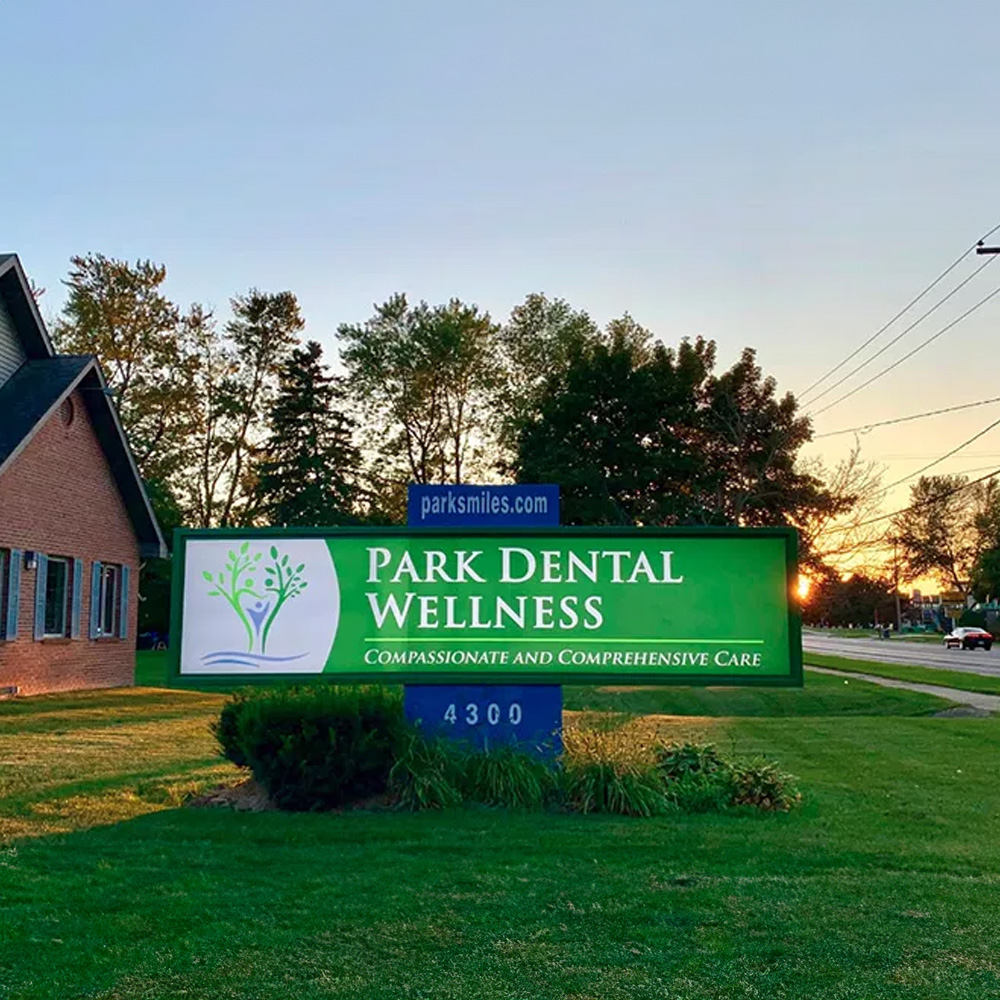
At Park Dental Wellness, reaching us is simple. Whether you have questions about treatments or are ready to schedule your next visit, our friendly team is here to guide you every step of the way. Call, email, or use our convenient online form—we’ll make sure your experience is easy, comfortable, and tailored to your needs.
Start your journey to a healthier, more confident smile today!

